I Ditched Figma for Claude. It's Not That Easy.
I ditched Figma and I live in Claude now. AI still needs direction, and as the codebase grows, the edge cases never end.
It’s a bubble, undeniably
The whole AI industry is such an interesting one. First of all, it’s a bubble, undeniably. Once you get out of it, people barely understand how to use AI. The majority hate it because they think it’s going to replace them. The other majority doesn’t know how to use it. Everything is overhyped just for the sake of selling and inflating stock so others can make more money.
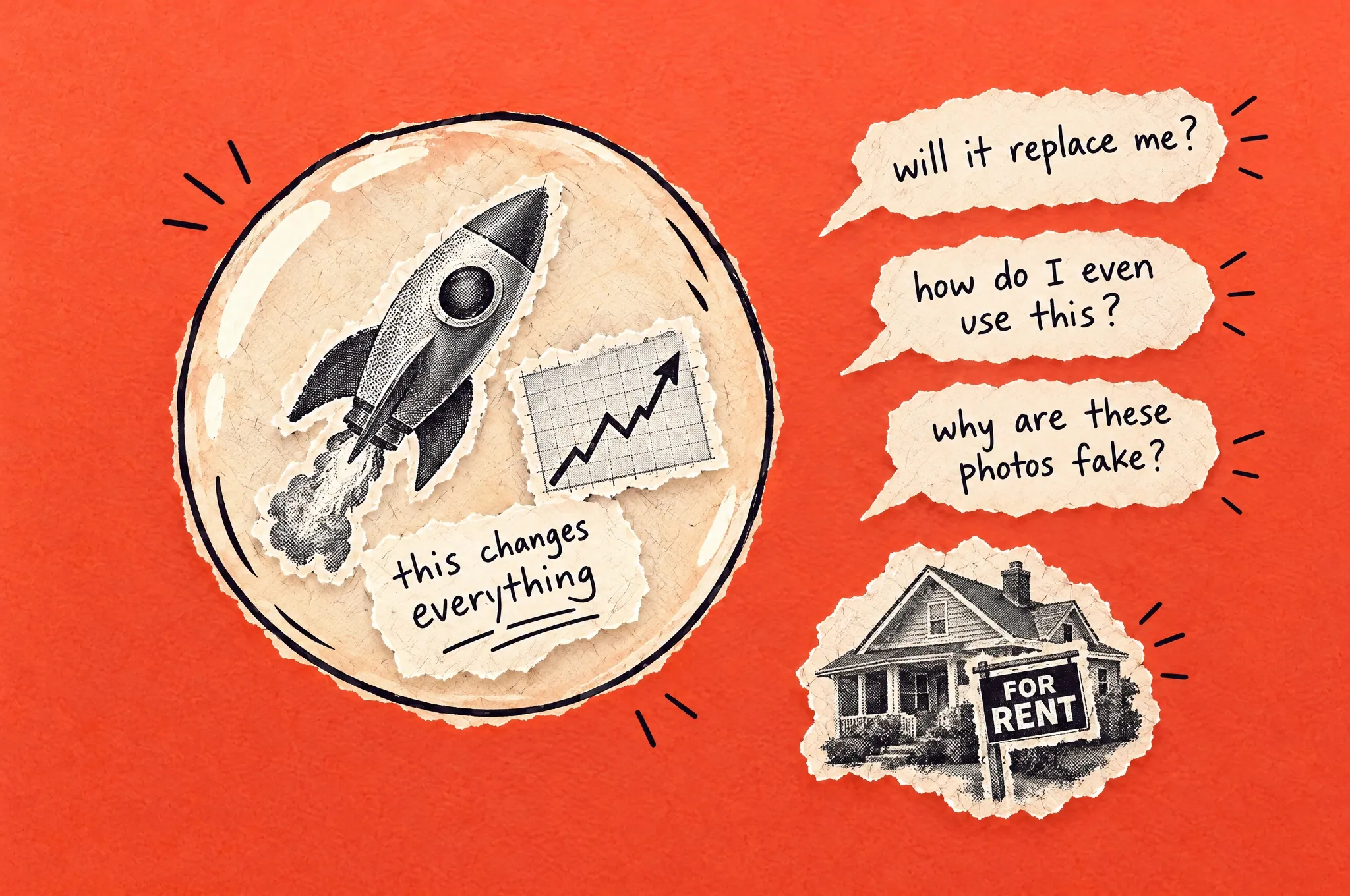
The whole issue with AI is that it just created a lot of noise, noise that makes it annoying for the majority of people to navigate through. All these people in the industry were working fine, and then out of nowhere this huge wind blows. Everyone is like, “What the f*** is happening?”
I started investigating it, and it’s such a strange thing. On one side, you have this super hyped thing, all the amazing things you can do with it. On the other side, people just hate it because all the listings for apartments for rent have fake photos.
AI still needs direction
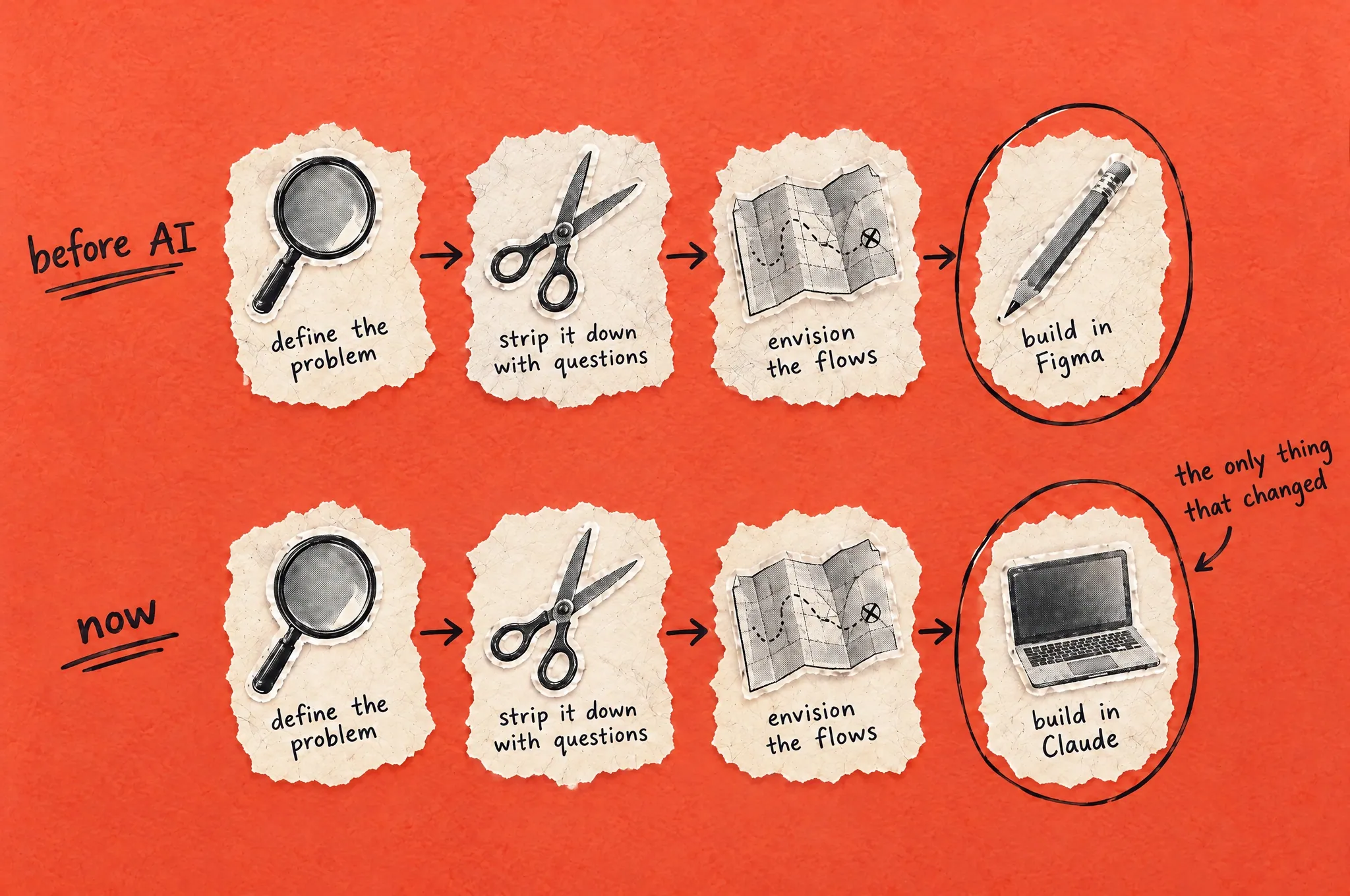
I talk with the actual people who use Claude Code daily, and I use it daily too. I tell them: “You don’t need Figma for that anymore. You could just work in Claude Code. You’re a designer, you know how to do it. You just have to define the problem, envision the flows, and build it.”
People are like, “What? How do you not create AI slop? What do you mean?” Even before this, you had to think and define a problem. Really define it, by stripping it down with as many questions as possible, and then you start building it. Now the power is more with the people.
All these people hyping up this tech barely know how to use it, because they do not know how to think or actually give direction. Apparently, AI still needs direction. You needed the same direction before AI, when you had Figma: know where you’re going, what you’re building, and how to define the experience end to end.
The wind is killing the parasites
On one side, I’m super happy this wind kills a lot of parasites in the industry. It’s been bad with developers. It’s been worse with designers. There are people who truly care about their craft and create solutions that actually bring value to people. Then there are the pixel pushers and the code slappers.
All of a sudden, veterans who honed their craft have to sit on the same freaking line as some sloppers from the internet, which is annoying. Hey, it’s part of the game. I’m not complaining. You just have to always prove yourself and always sell yourself.
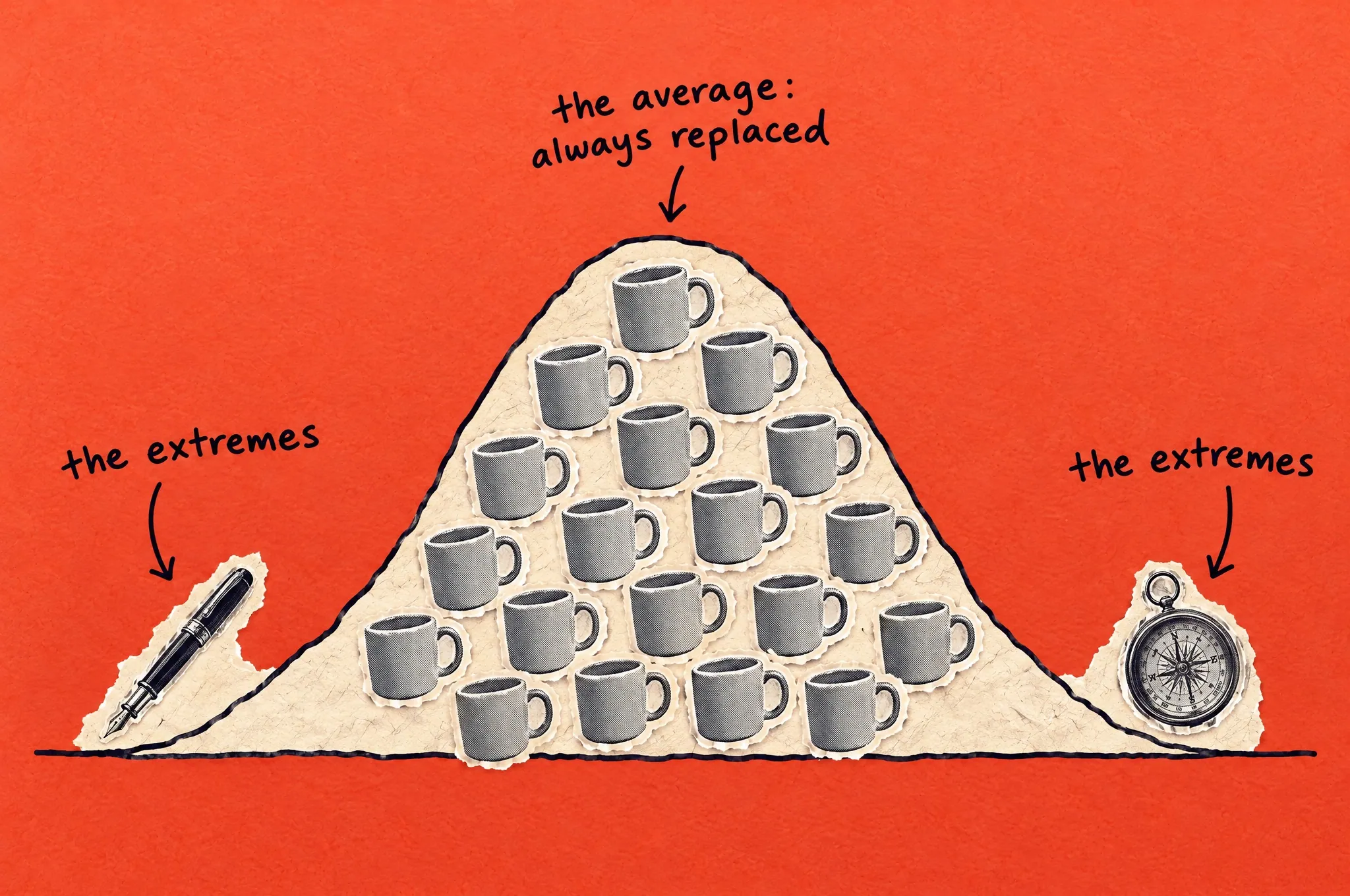
The average always was replaced. You just have to find your extreme. The future is not in the average. The future is in the extremes.
Connecting Stripe is the easy part
You don’t realise how big the bubble is until you see it from inside. Even people who preach everything barely know anything about what is happening and how to use the tools.
There’s this guy who really had the impression he could build the entire next app. He had this idea for the beauty industry, and I’m like, yeah, but connecting Stripe is one thing. Then you’ll have to deal with inventory. Then you’ll have to deal with the backend. Then you’ll have to deal with tonnes of edge cases.
When I described to him everything I went through with TimiTomi, I think it was a bit of a wake-up call for him about how much work awaits him.
It’s a never-ending cycle
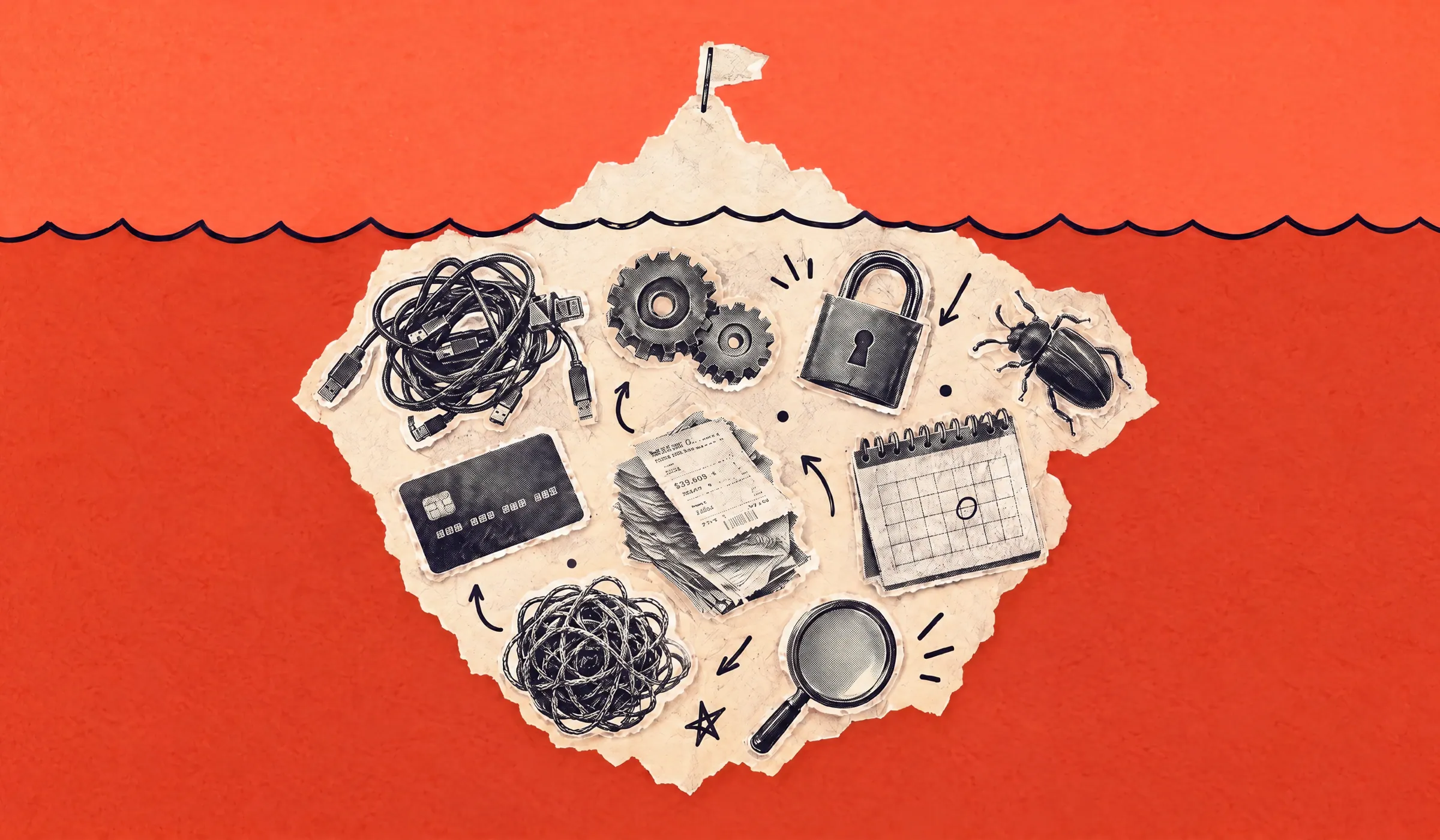
I’ve built apps with Claude in the last 3 months. I ditched Figma. I live in Claude. It’s not that easy. As the codebase grows, you have endless and endless and endless edge cases. Even Claude hallucinates and constantly misses stuff. This is a never-ending cycle.
Take TimiTomi, the booking software I’m building for studios. Just the gift cards have over 300 decisions written down, one by one, in about a month. What happens when someone buys a gift card and gets a refund before it’s even sent? A gift card pays half a class, a bank card pays the rest, then the class gets cancelled: where does the money go back? What if the buyer’s bank pulls the money back after the gift was already sent? Claude can suggest an answer to every one of them. Somebody still has to know which answer is the right one.
Nothing is dead
People keep claiming SaaS is dead. Nothing is dead. There’s just a huge mess and tonnes of junk on the market that currently create a lot of issues for many people. All we have to do, unfortunately, is sell more and market more.
Besides the good stuff AI brings, there’s all this slop and noise from random people that everyone now has to deal with. The only moat many have in the end is building trust, which takes years and years and years.
Yes, you can vibe code Photoshop in one week. And what? You think people are going to ditch Photoshop suddenly? No, they will not. People always underestimate this. It’s never about the tool. It’s about the selling, the brand, the marketing, the trust, and the value you provide in the end.
Our roles change. You are either still a pixel pusher, or you’re directing the outcome and have to prove yourself that you can bring the results.