UX & UI.
Interfaces, flows and states: the craft of products people get through without having to think.
-
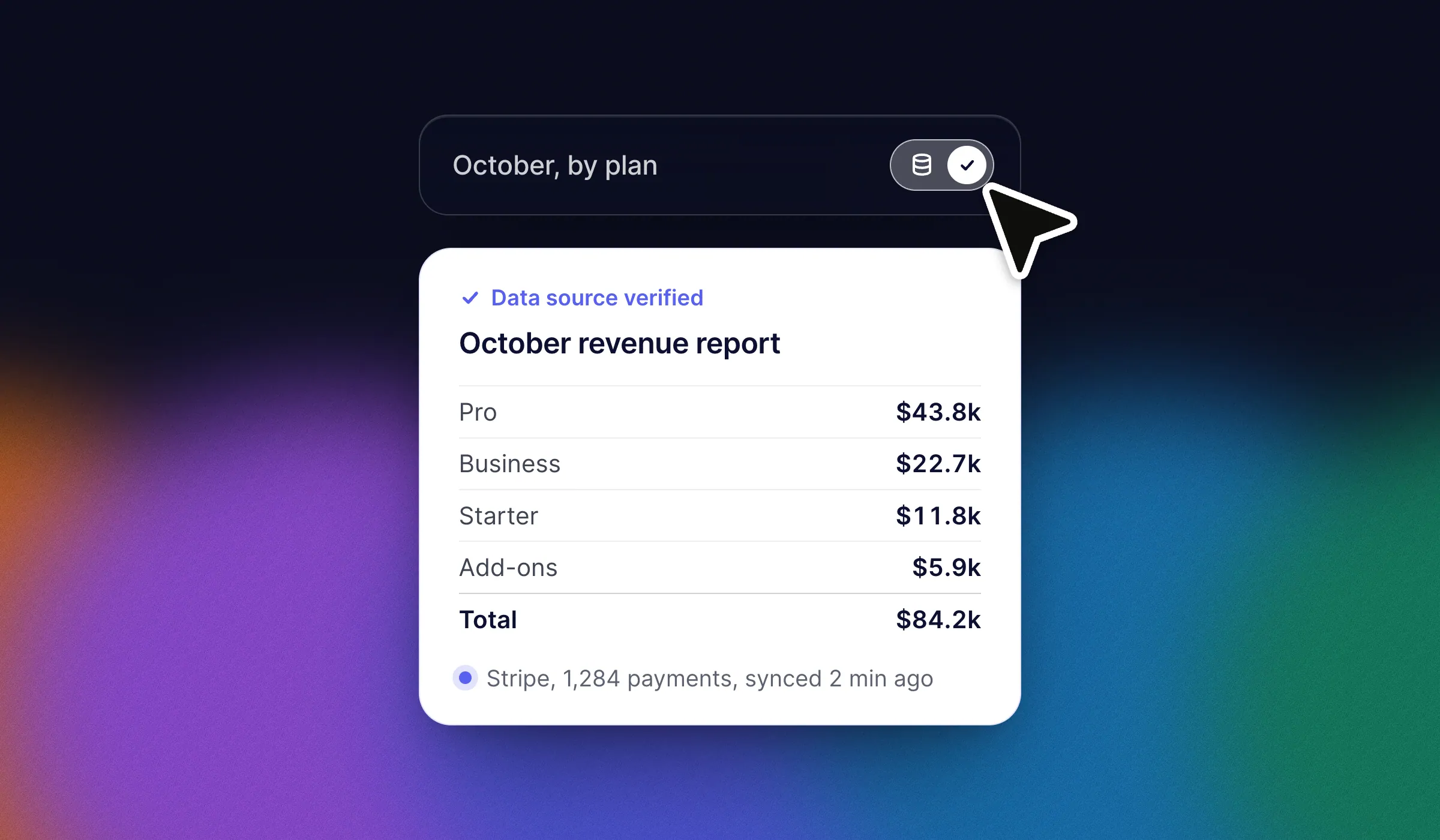
5 Ways to Design Trust With AI Answers
Five human-in-the-loop UX patterns that show on the answer what the AI checked: the source, the count, the guess, the freshness, and what it could not check.
-
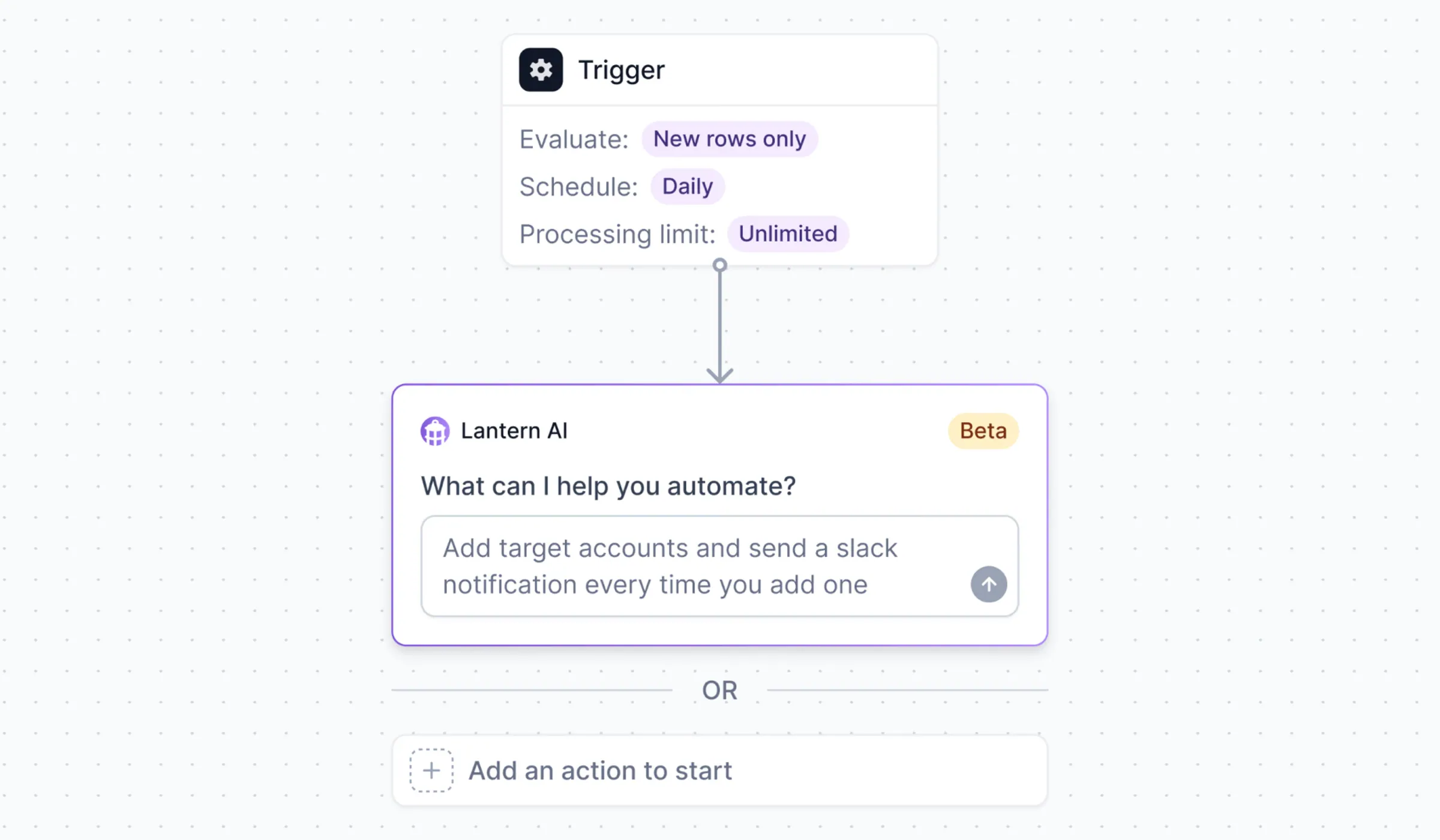
12 Agentic UX Patterns: Examples From Three Years Designing AI Agents
Twelve agentic UX patterns, each on a real screen from AI agent products I designed: intent capture, approvals, autonomy controls, run history and handoff.
-
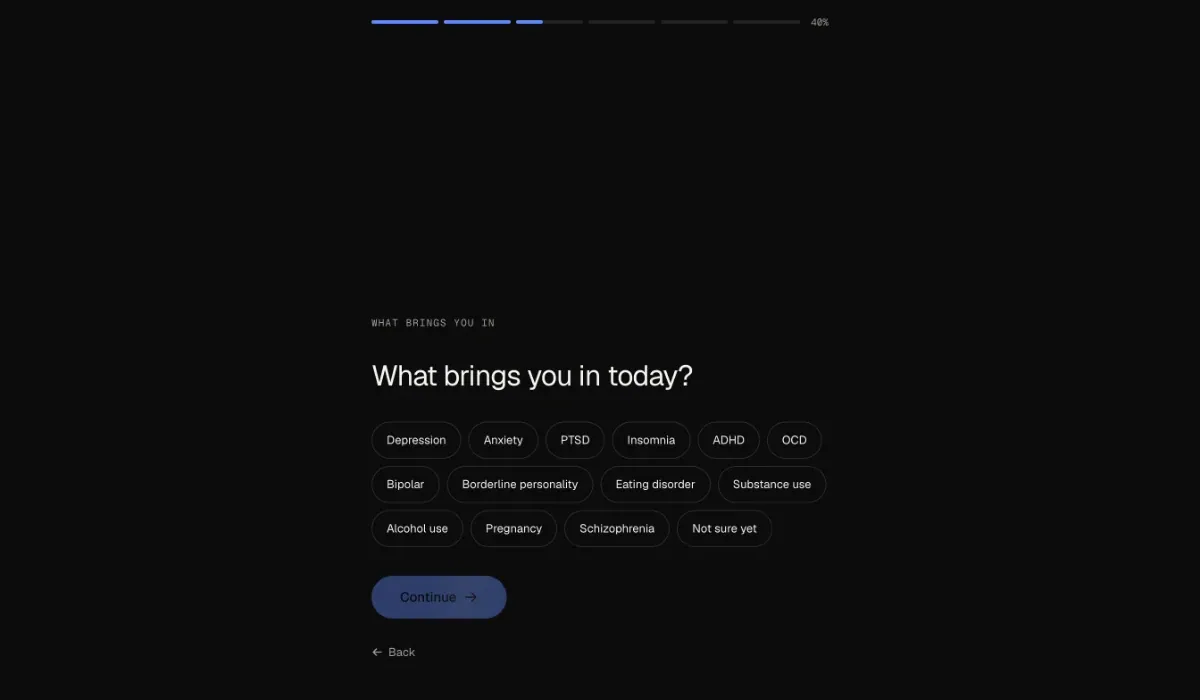
Ask Only What Matters First: Rebuilding a Psychiatry Sign-Up
A video psychiatry service asks for your records, card, ID and insurance before you can book. Here's my critique of the flow, and how I rebuilt it.
-
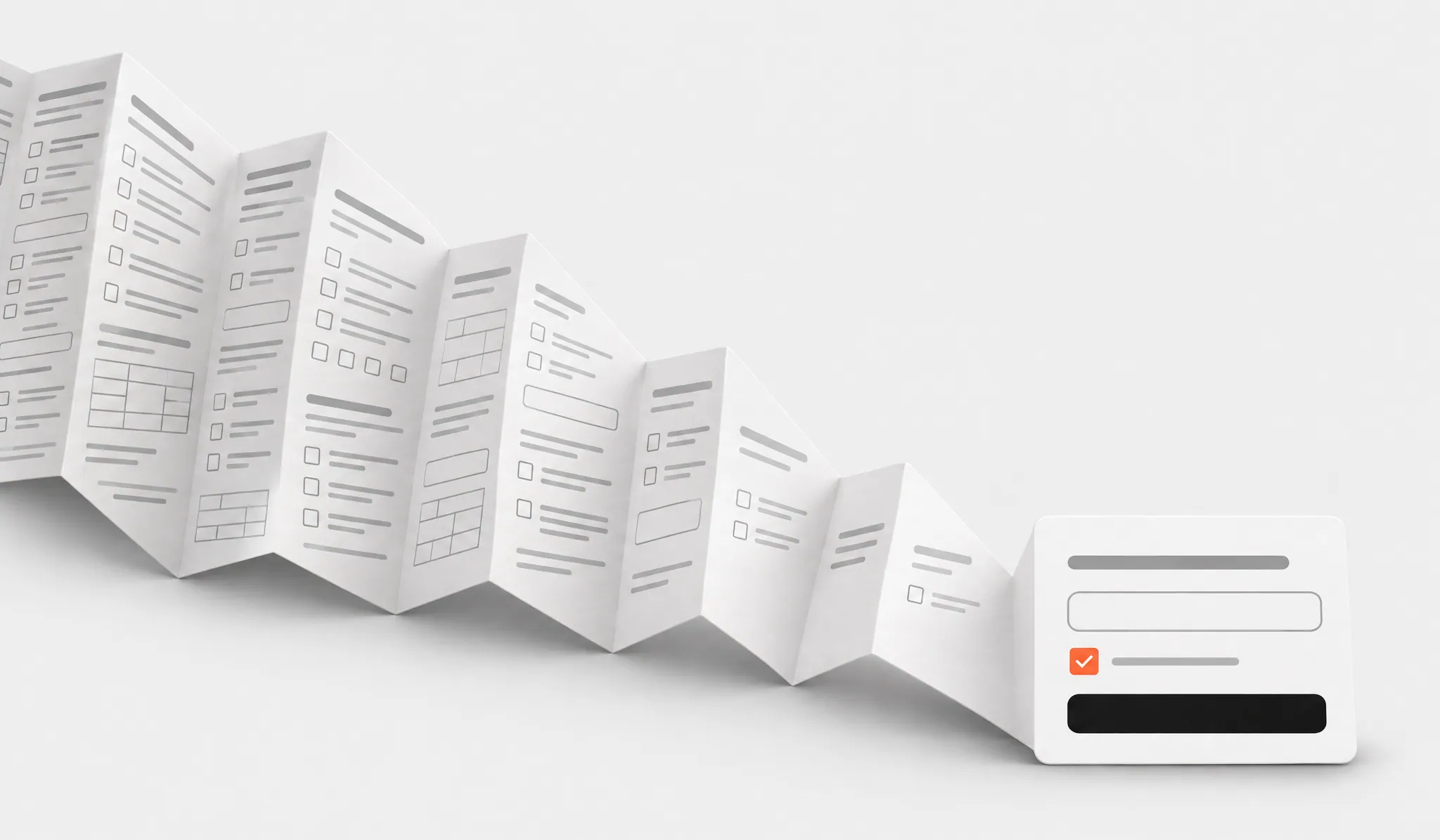
How to Design Forms People Actually Finish
Ask first and charge last, group the quick questions, and give every screen the right Continue. Seven lessons from a passport application and a psychiatry sign-up, each with the before and after.
-
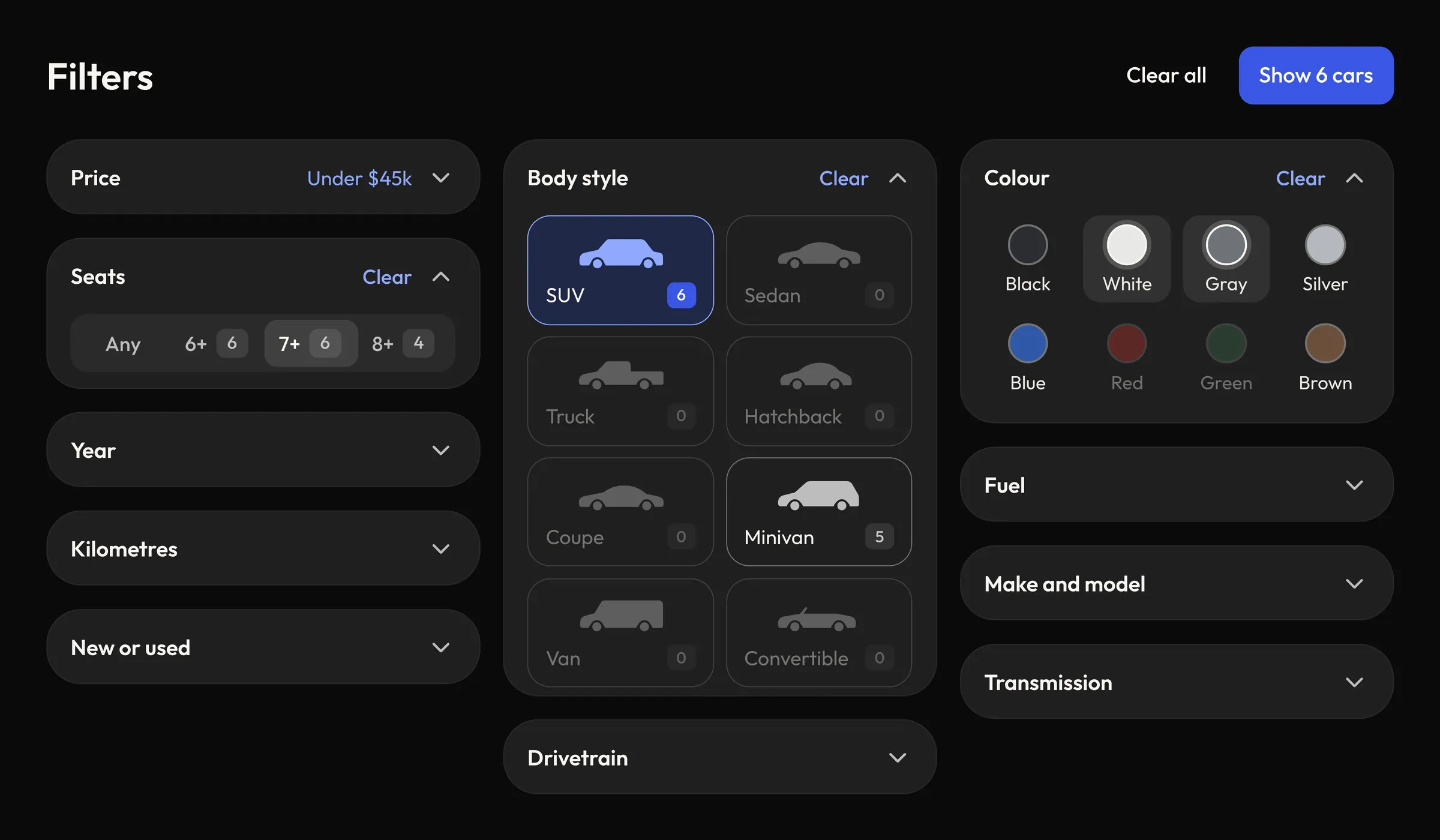
How to Build an Accessible UI with Claude Code
A lot of teams now ship without a designer, and dark UIs show it first. How I reworked a car marketplace's filters with Claude, the prompts I used, and what you still have to test yourself.
-
AI Agents Inherit Your Bad UX. Here's How to Fix It.
AI agents skip your menus, but they inherit every gap underneath and drop the checks people relied on. How to design states and copy for two readers.
-
100 Things I Learned From Designing Tech Products for 12 Years
What 12 years of designing products taught me about users, human behaviour, words, startups, clients and AI.
-
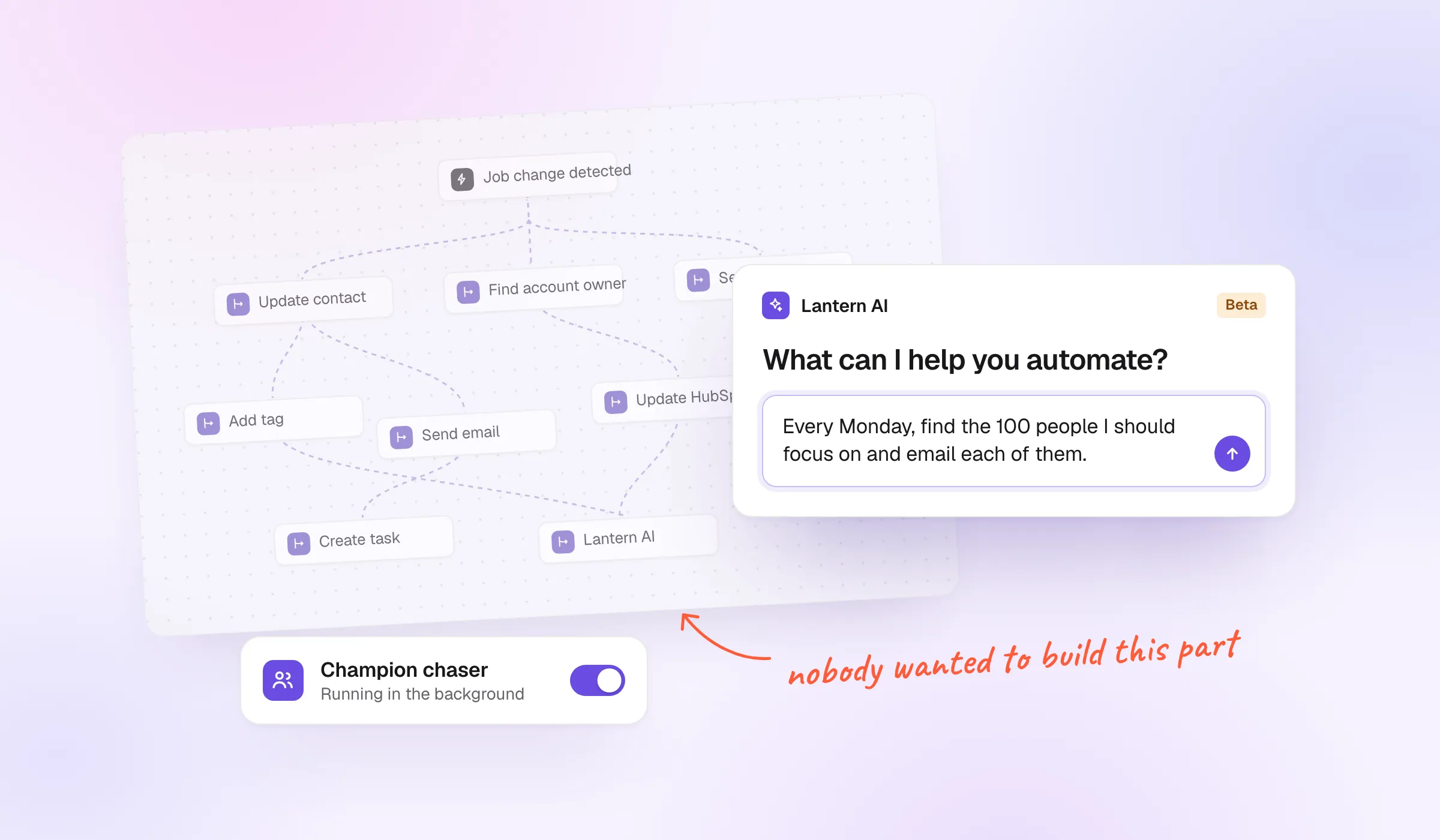
We Were Wrong About Workflow Builders
Most people want the result, not the workflow. What three years designing Lantern’s AI workflow builder taught me about templates, chat and trust.
-
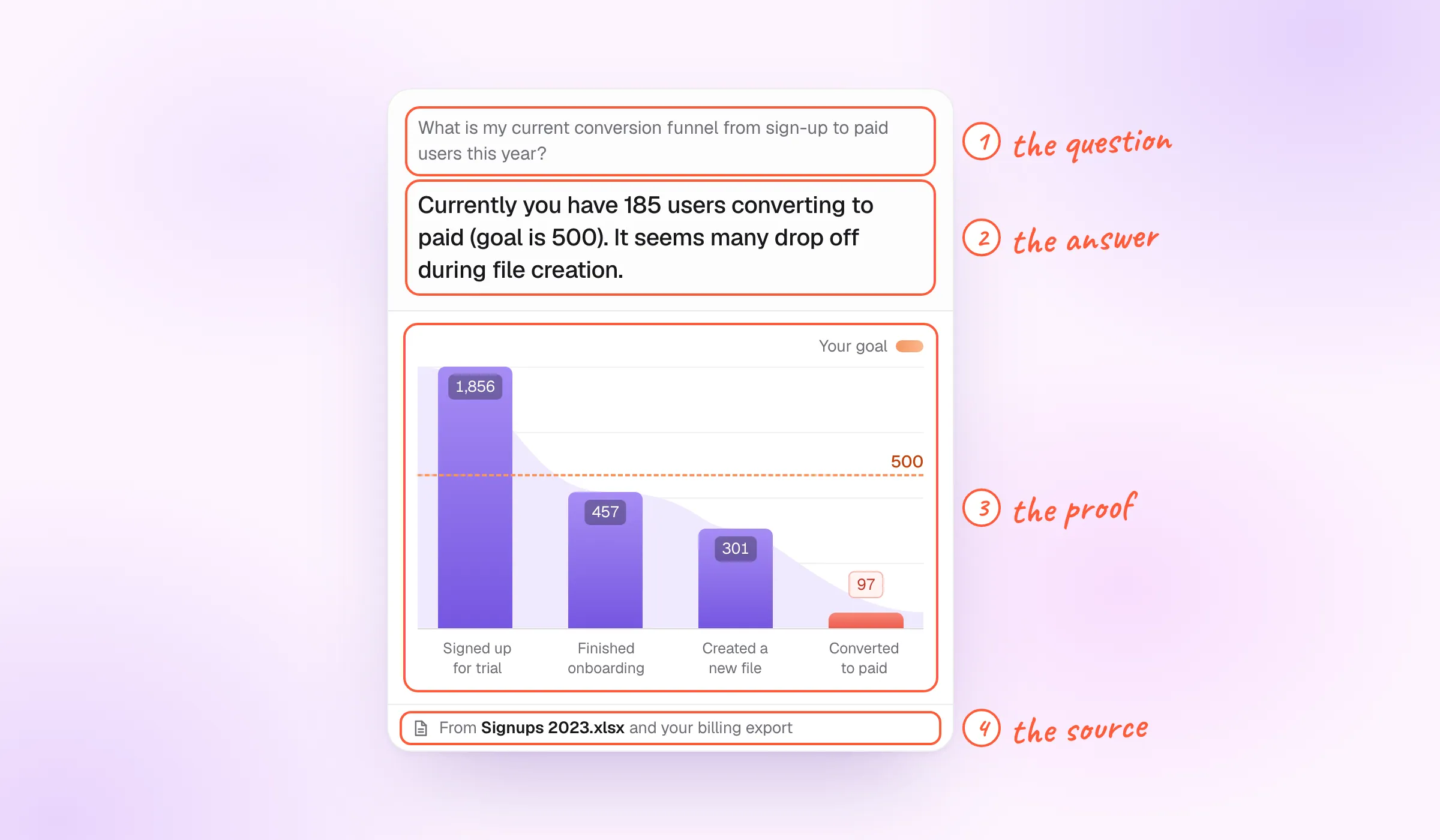
How to Design AI Answers People Can Trust
Lead with a one-sentence answer, prove it with the chart, name the source, and show that the AI checked. Lessons from designing an AI finance canvas.
-
5 Examples of How Priming Influences Behaviour
Research, expectations, and why the brain hates uncertainty
-
10 Powerful User Nudges Illustrated
And why we are so irrational sometimes
-
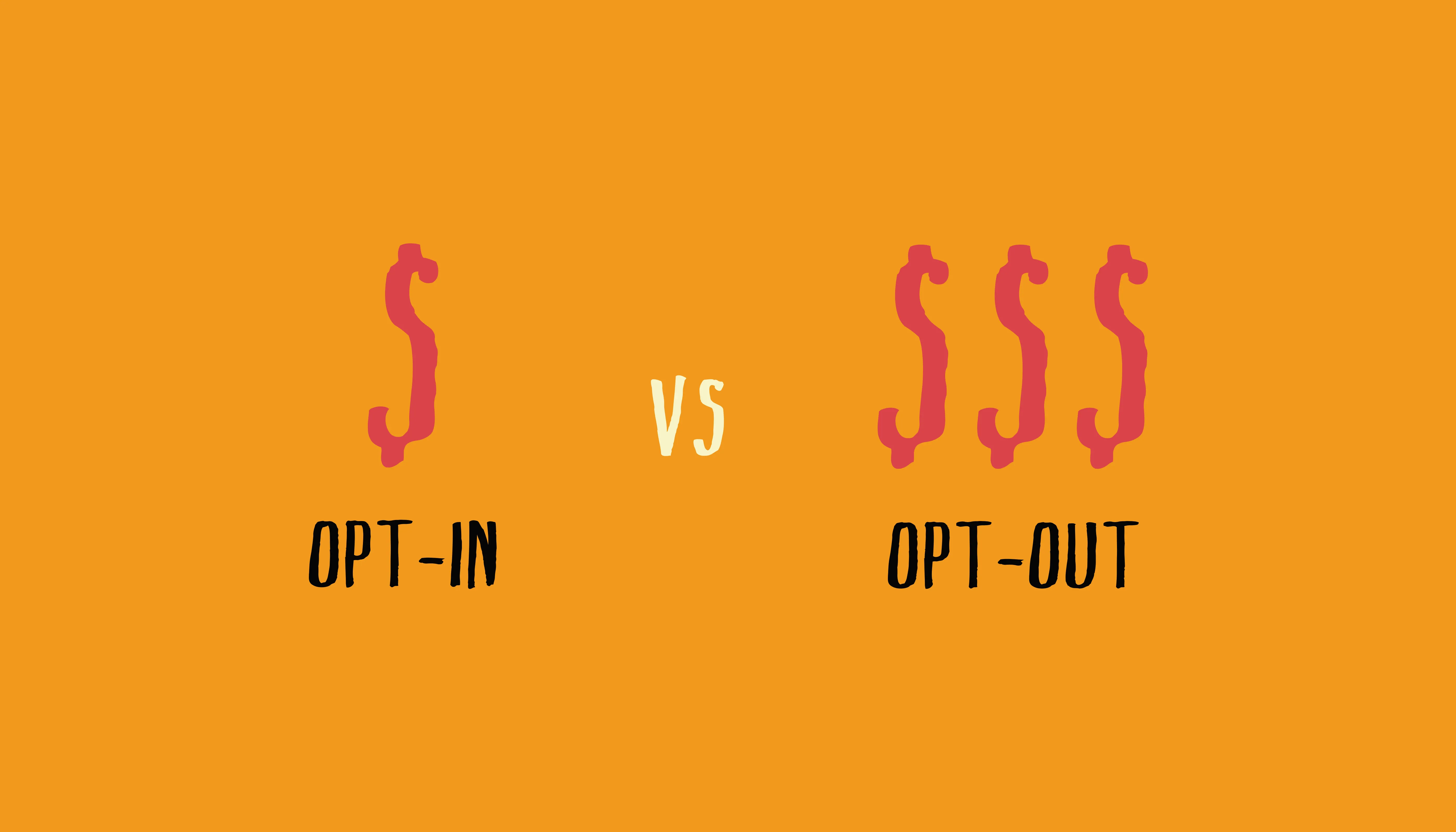
How to Influence Choice Through Default Options
Choice architecture and how to design better defaults
-
Norms Decide User Behaviour
And how to use them to design better solutions
-
Understanding Human Irrationality
And how to help people make better decisions
-
Why Consistent Writing Makes You a Better Designer
How writing made me a better designer, leader and thinker
-
Giving Life to Your Product Ideas
Why teams struggle to go from exploring ideas to building them
-
Principles That Influence Human Behaviour
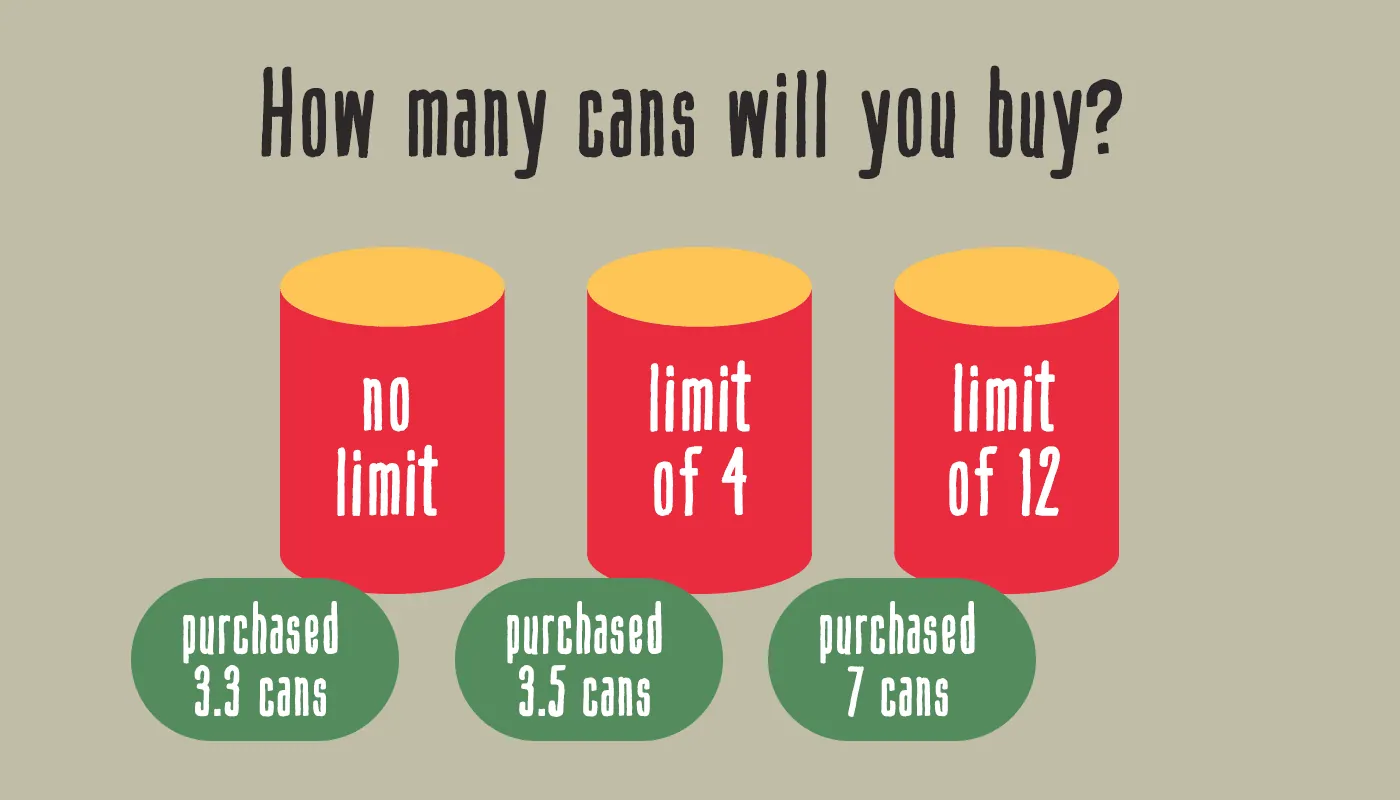
And how they shape what we do without us noticing
-
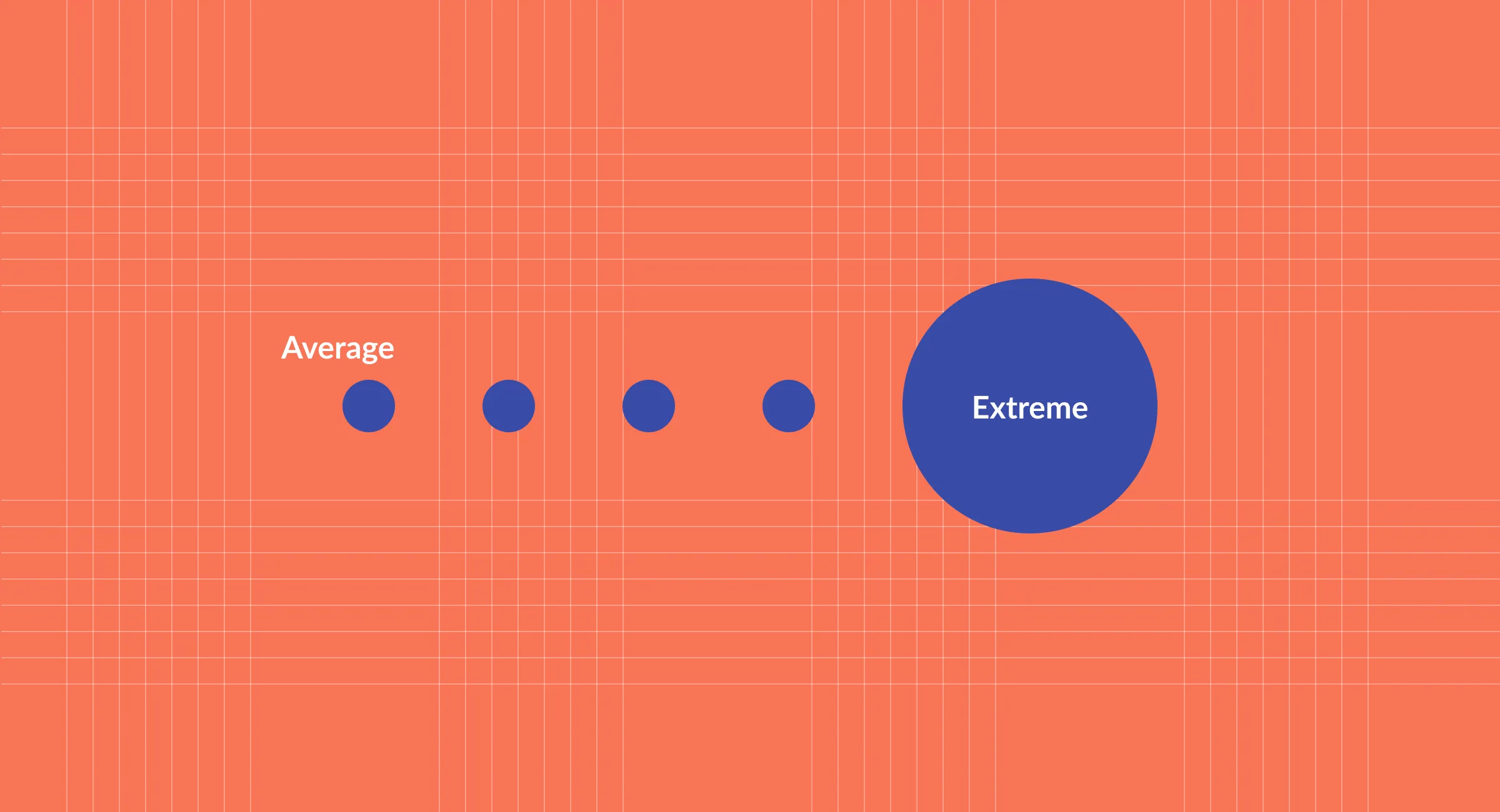
The Problem With Average Solutions
And why there might not be one
-
Designing Perceptions Instead of Solutions, Part 2
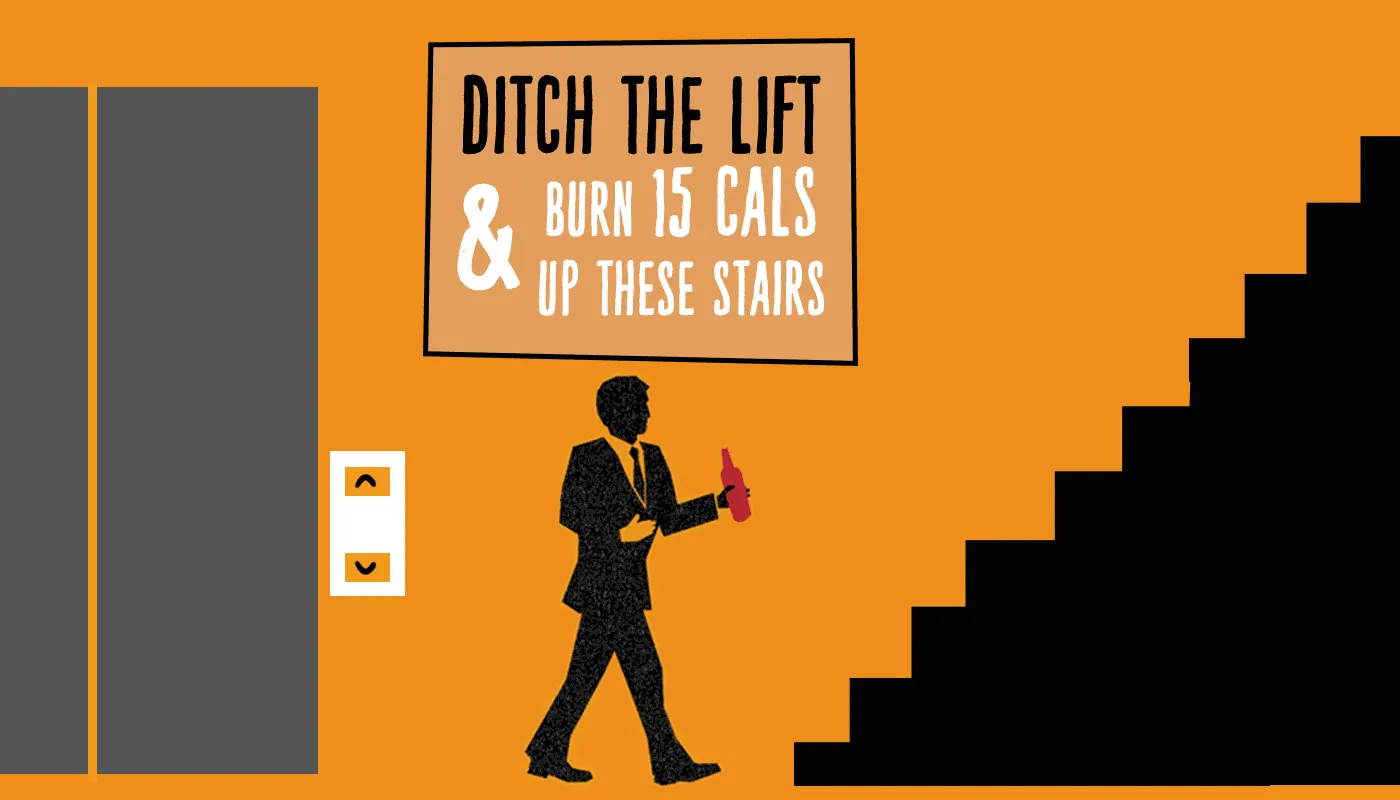
Why a change of perception can work better than logic
-
Sacrificing Emotional Experience for Efficiency
London’s Black Taxi Cab, Electric Vehicles and LEGO

-
Principles For Designing Better Products
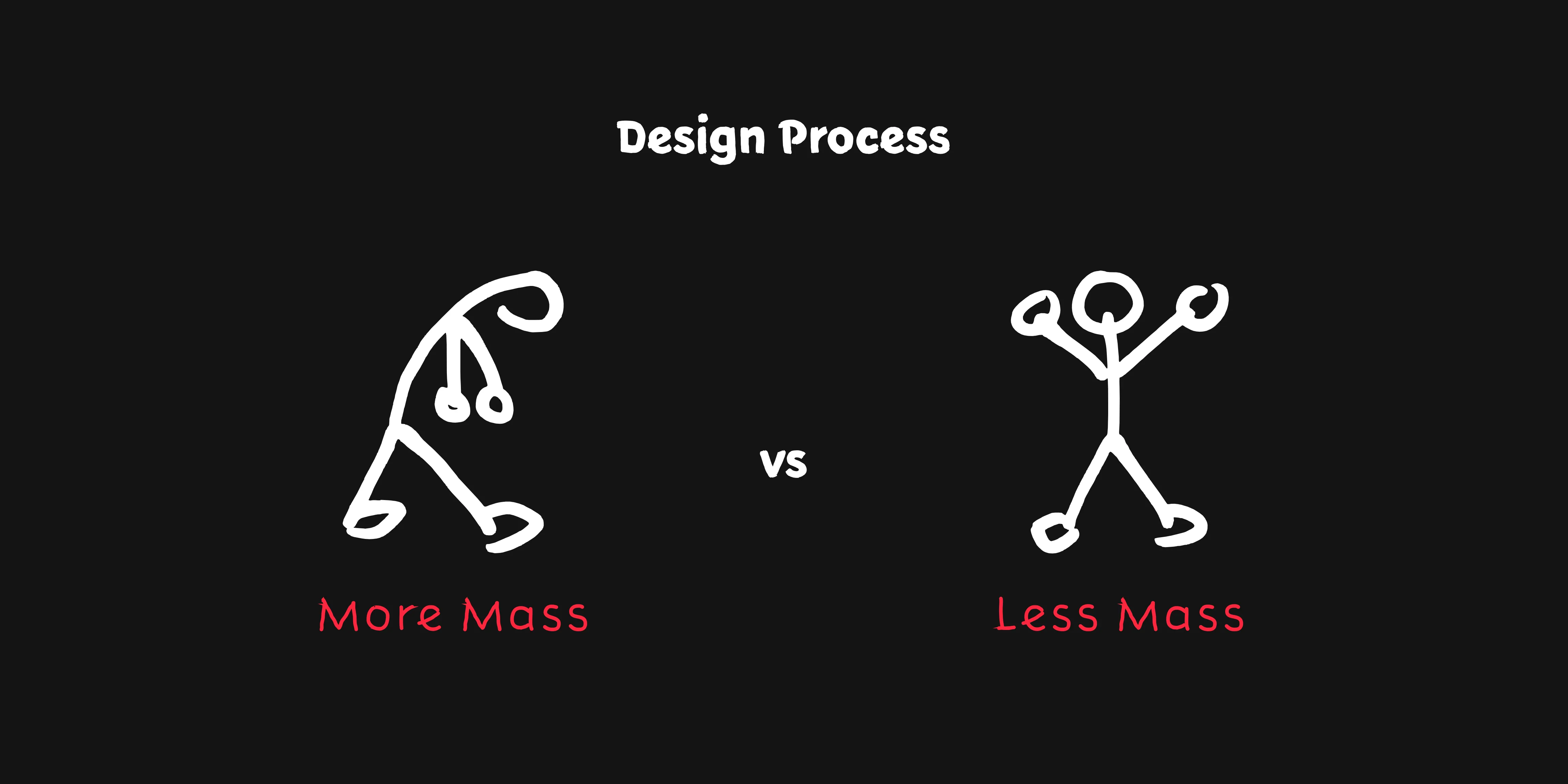
“It Doesn’t Have to Be Crazy at Work” by J. Fried and DDH
-
Gamification: Punished by Rewards
The pitfalls of extrinsic motivation — Part 5
-
The quest for simplicity
Complexity is not the opposite of simplicity
-
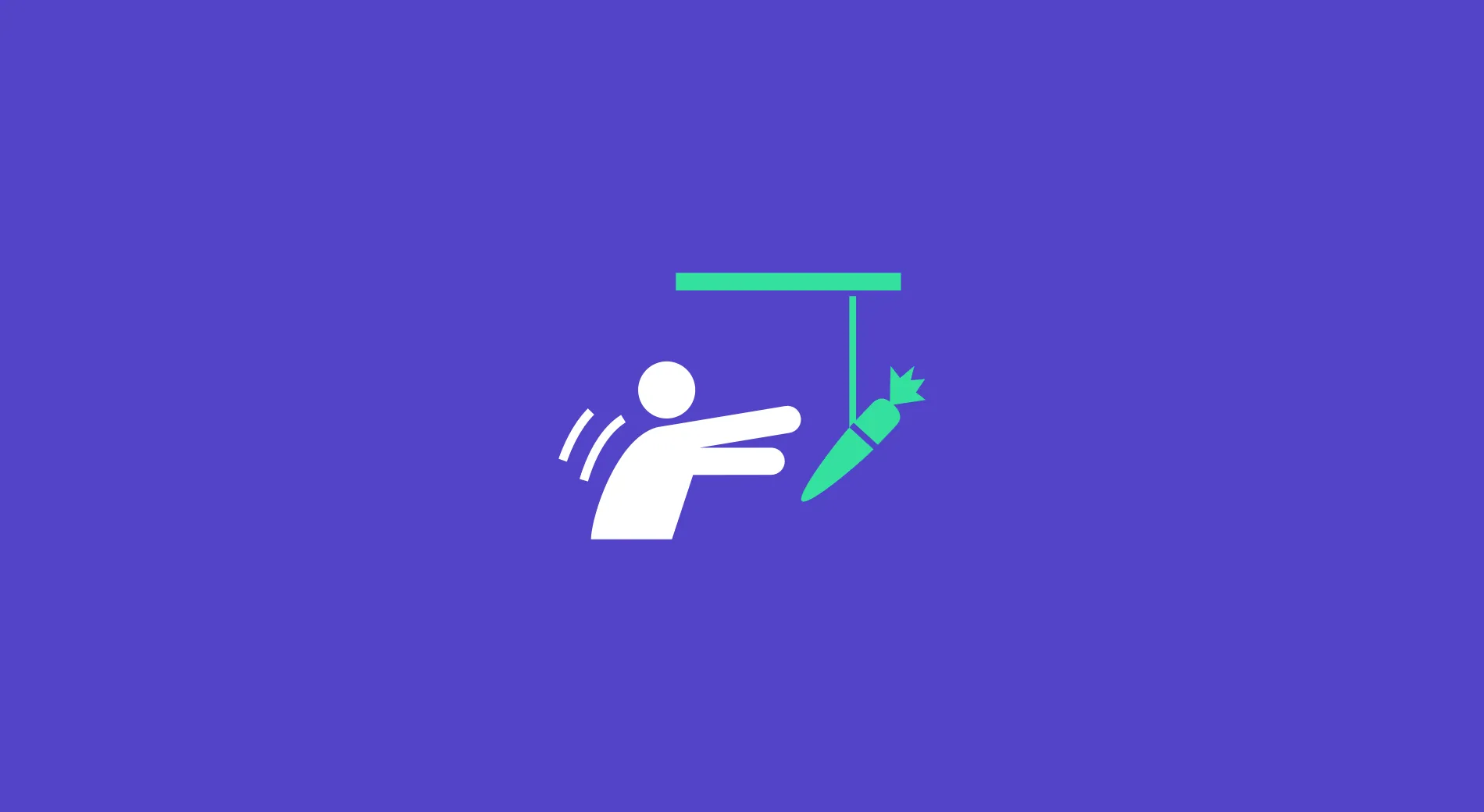
Gamification: Motivation Model
The broken way of carrot and stick
-
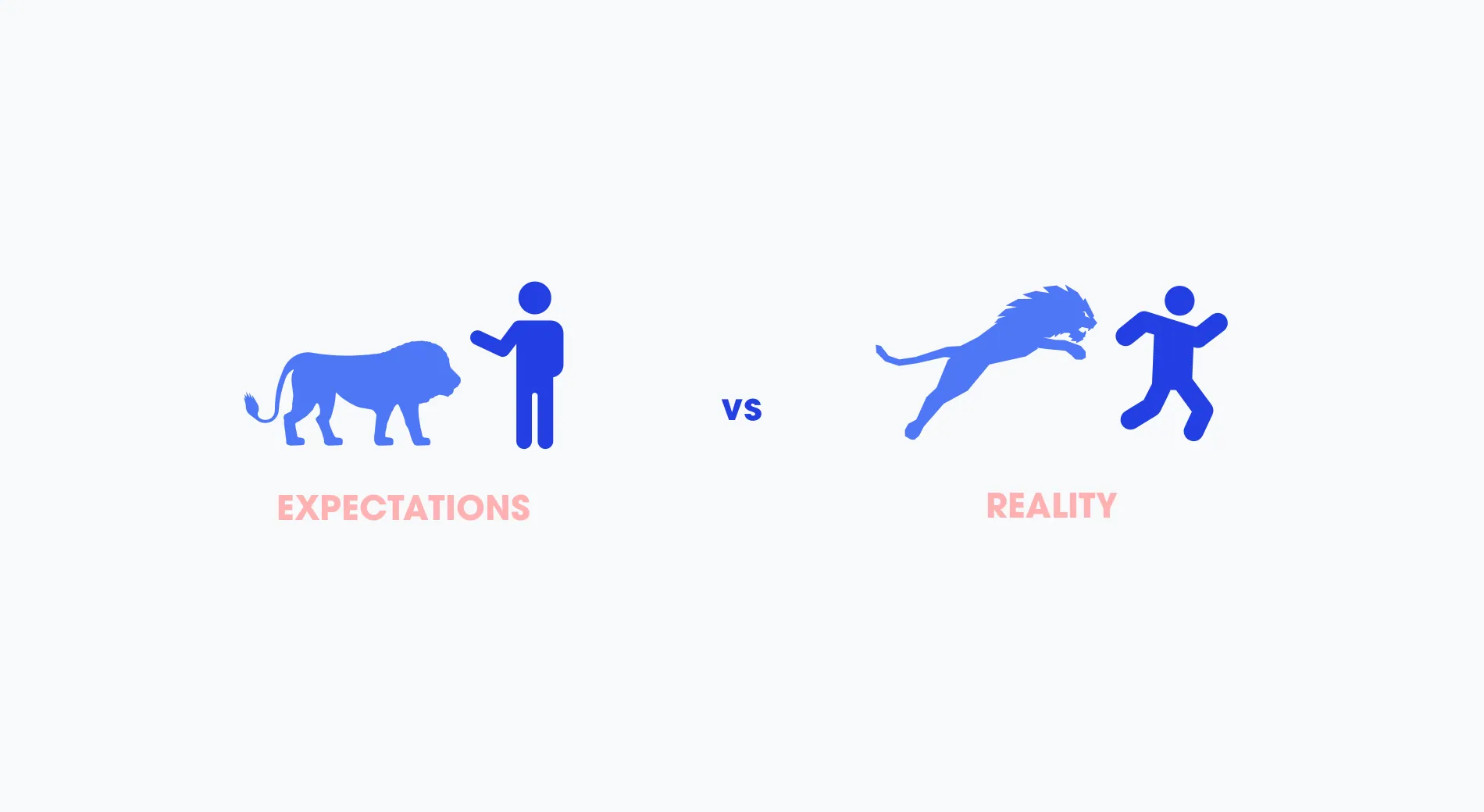
Product Design: Expectations vs Reality, Part 2
Mistakes we make on a daily basis — Part 2
-
Living the Life of a User
Useless user personas and taking responsibility
-
Why Your Nike Redesign is Bad
A letter to myself
-
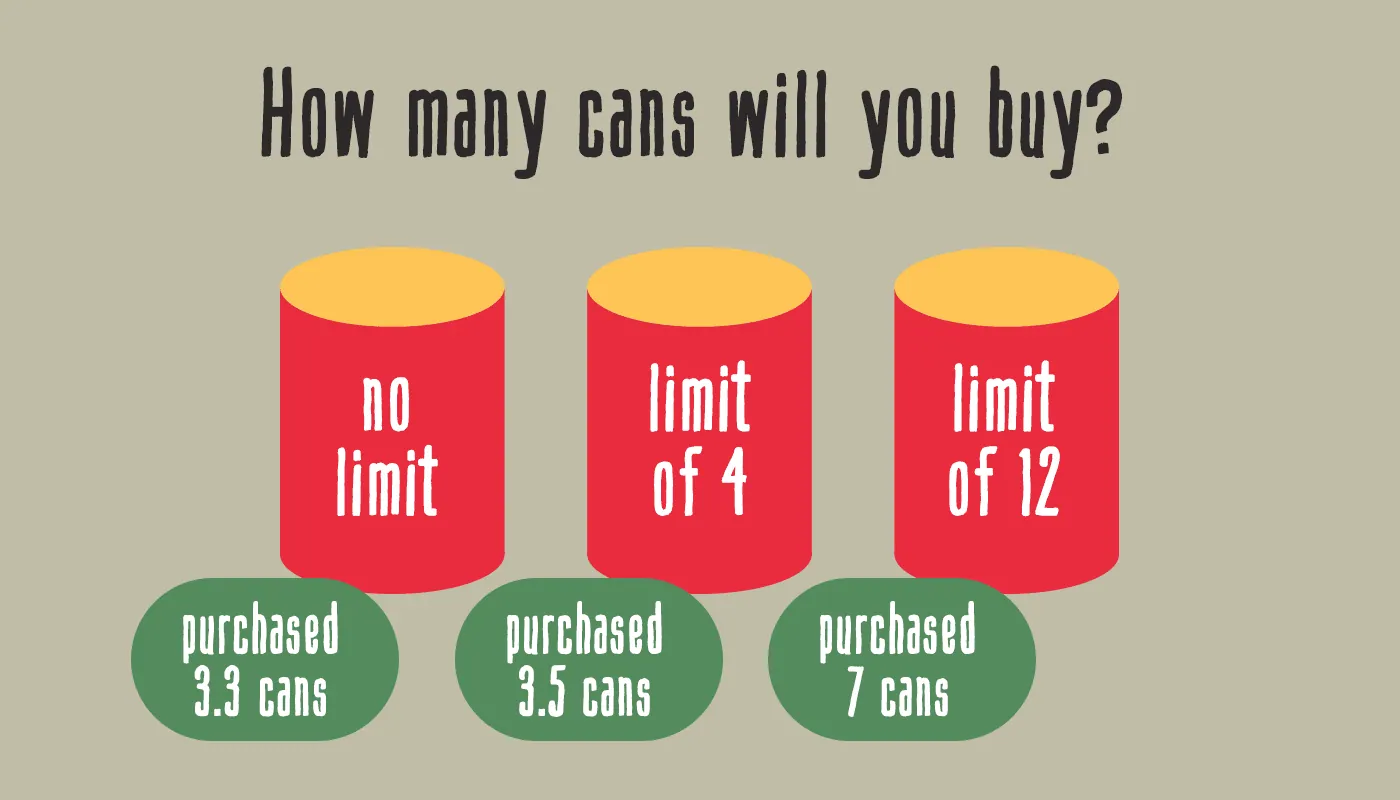
7 Principles That Influence Our Behaviour
Understanding human behaviour
-
Gamification: Rewarding Users With Points
Part 3
-
Gamification: The Importance of Failure
Part 2
-
Gamification: Understanding The Basics
Part 1
-
The Business of Removing Negatives from a Product
Rationally choosing the irrational
-
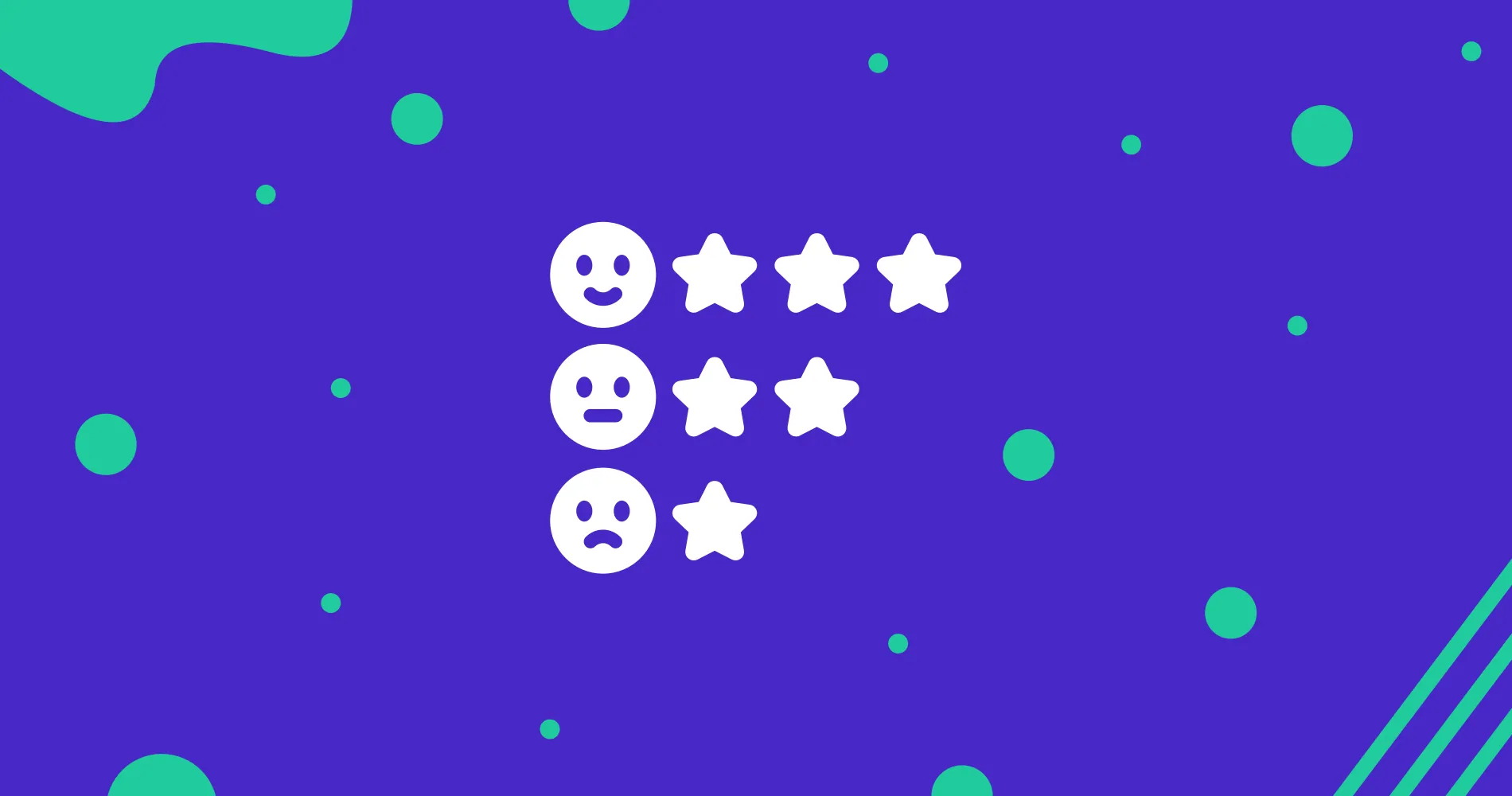
The Problem With Online Reviews
The good, the bad and the ugly
-
The Importance of Feedback from a Product
Sometimes it may save a life, kill, disturb, annoy or inform
-
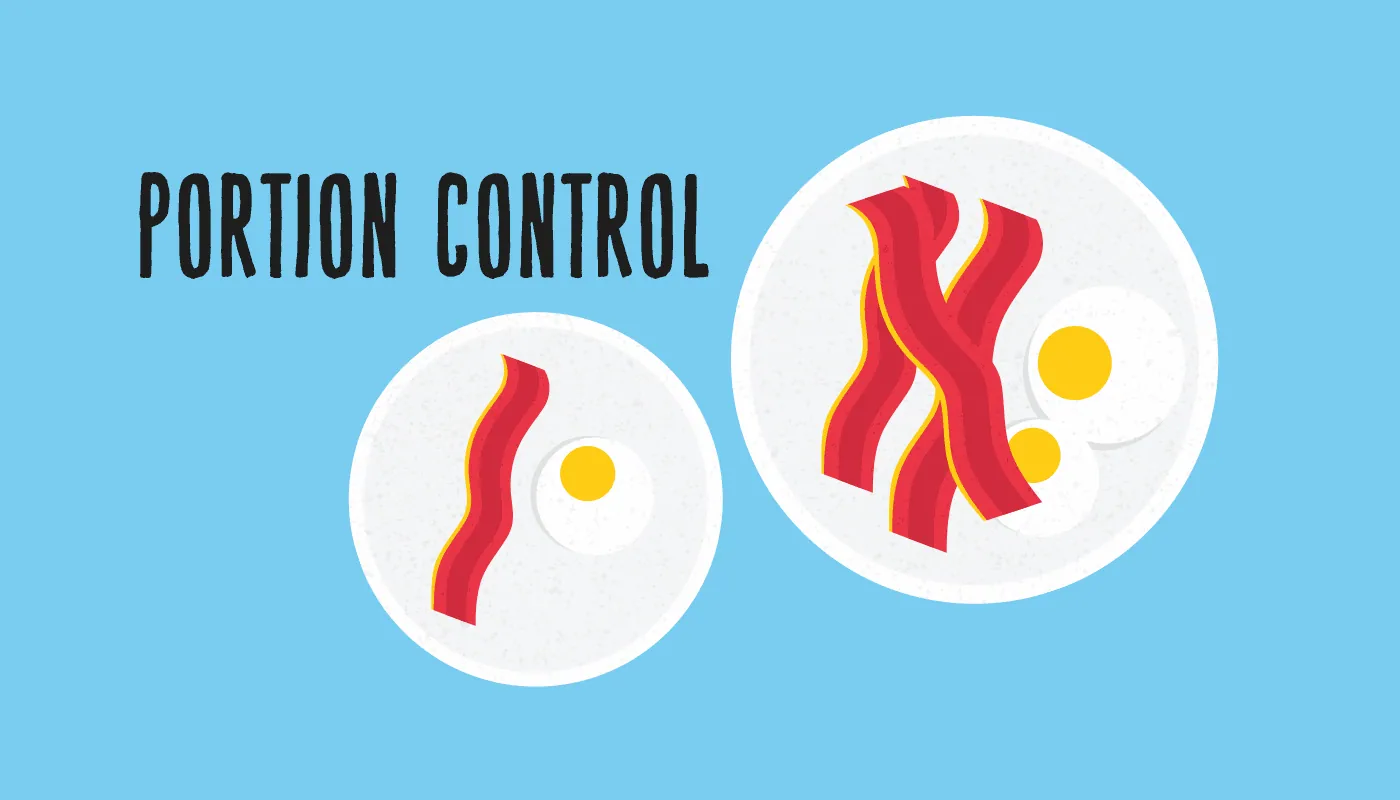
Designing Better Choices for Your Users
The power of a nudge in design
-
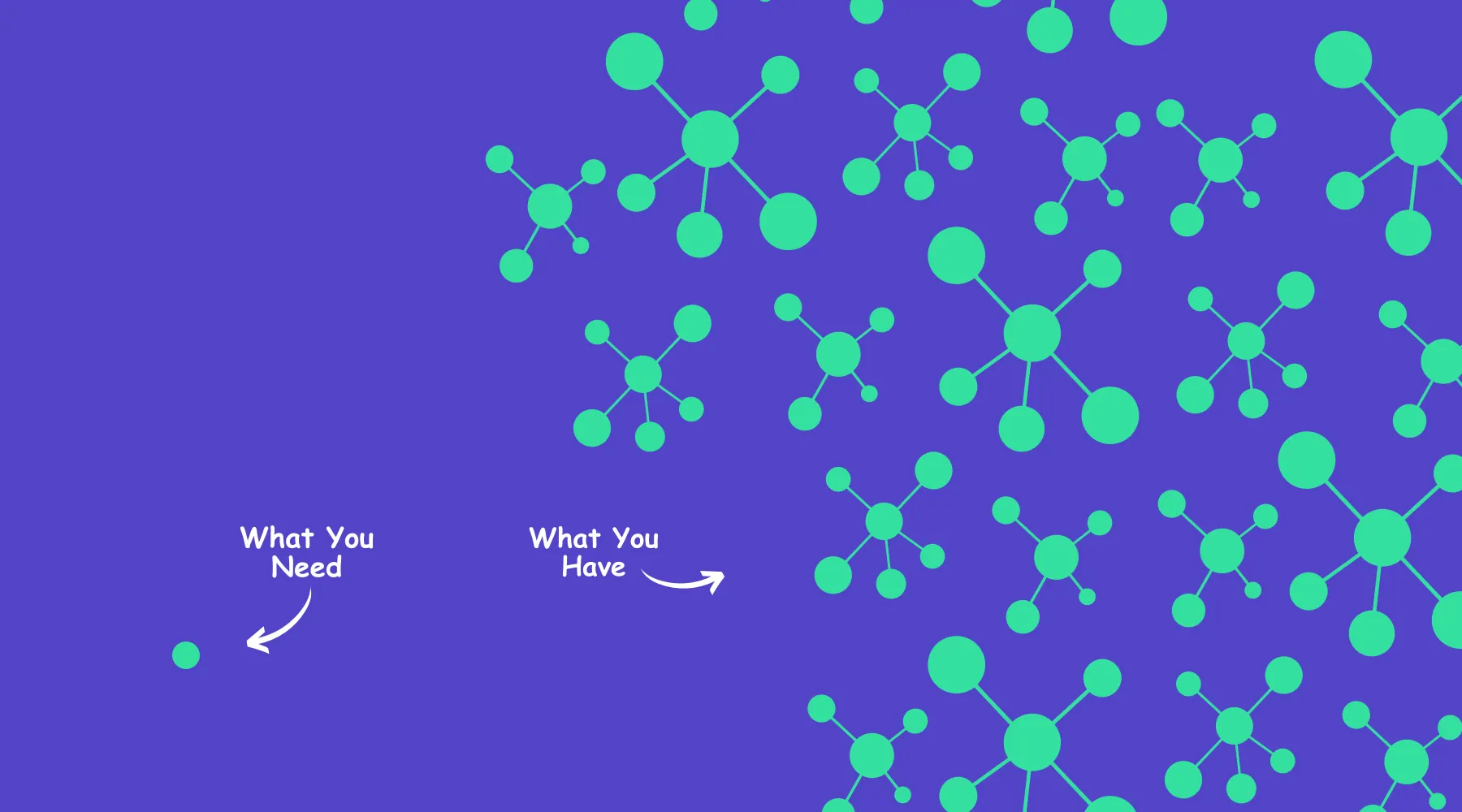
Why More Data is Not The Answer
Why so many companies make bad decisions, even with access to unprecedented amounts of data?
-
Why Great Products Do Only One Thing
And why one feature is better than two or three
-
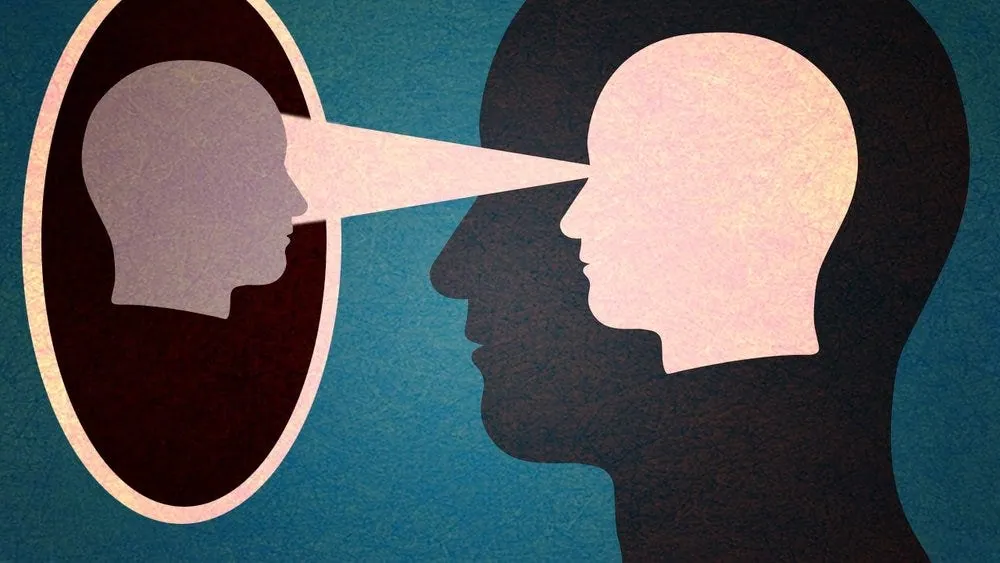
Designing Perceptions Instead of Solutions, Part 1
Why a solution to a problem in the 21st century may not be the answer
-
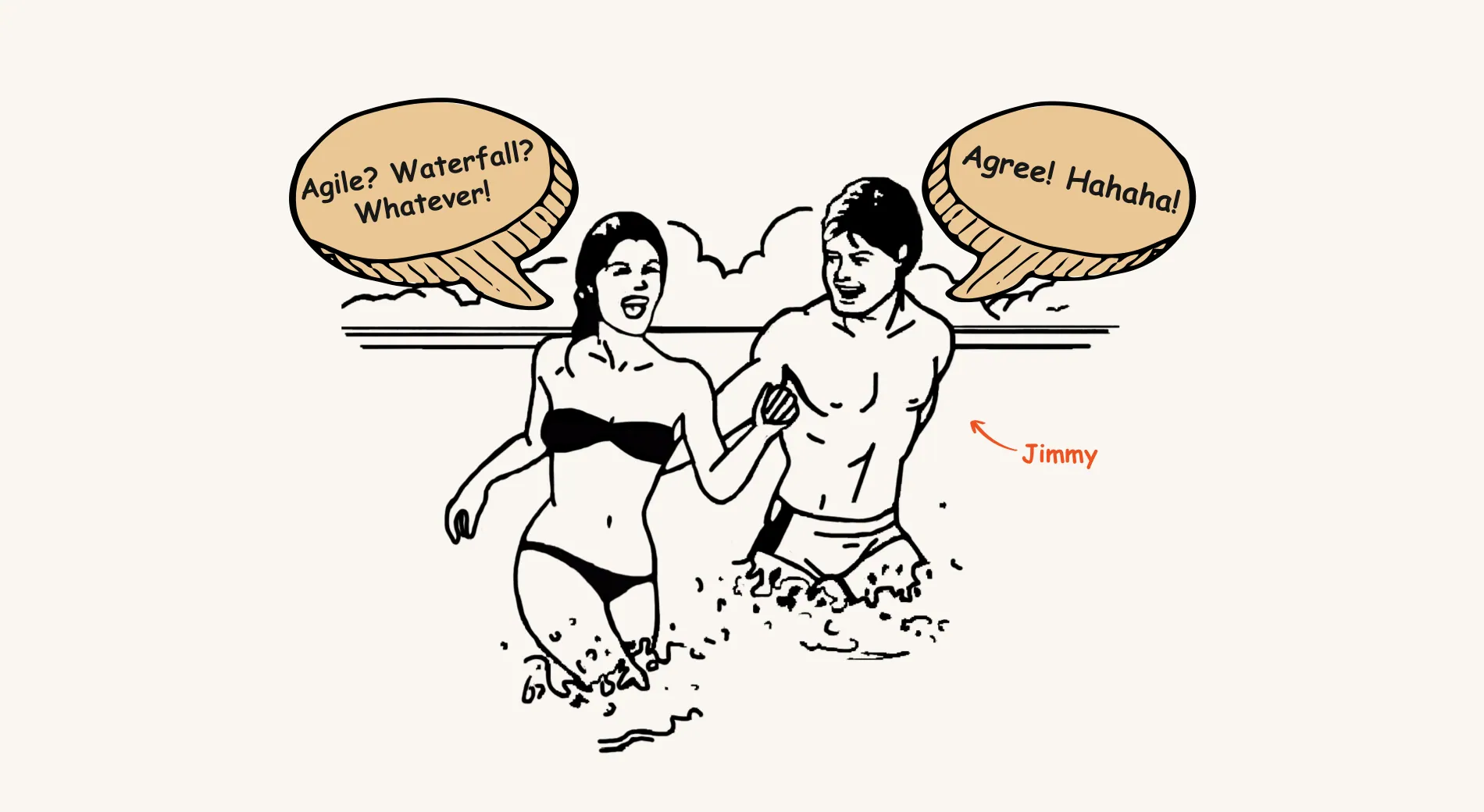
The Issue Behind Any Design Process
Agile, Waterfall, Scrum, Sprints, Cycles, Whatever
-
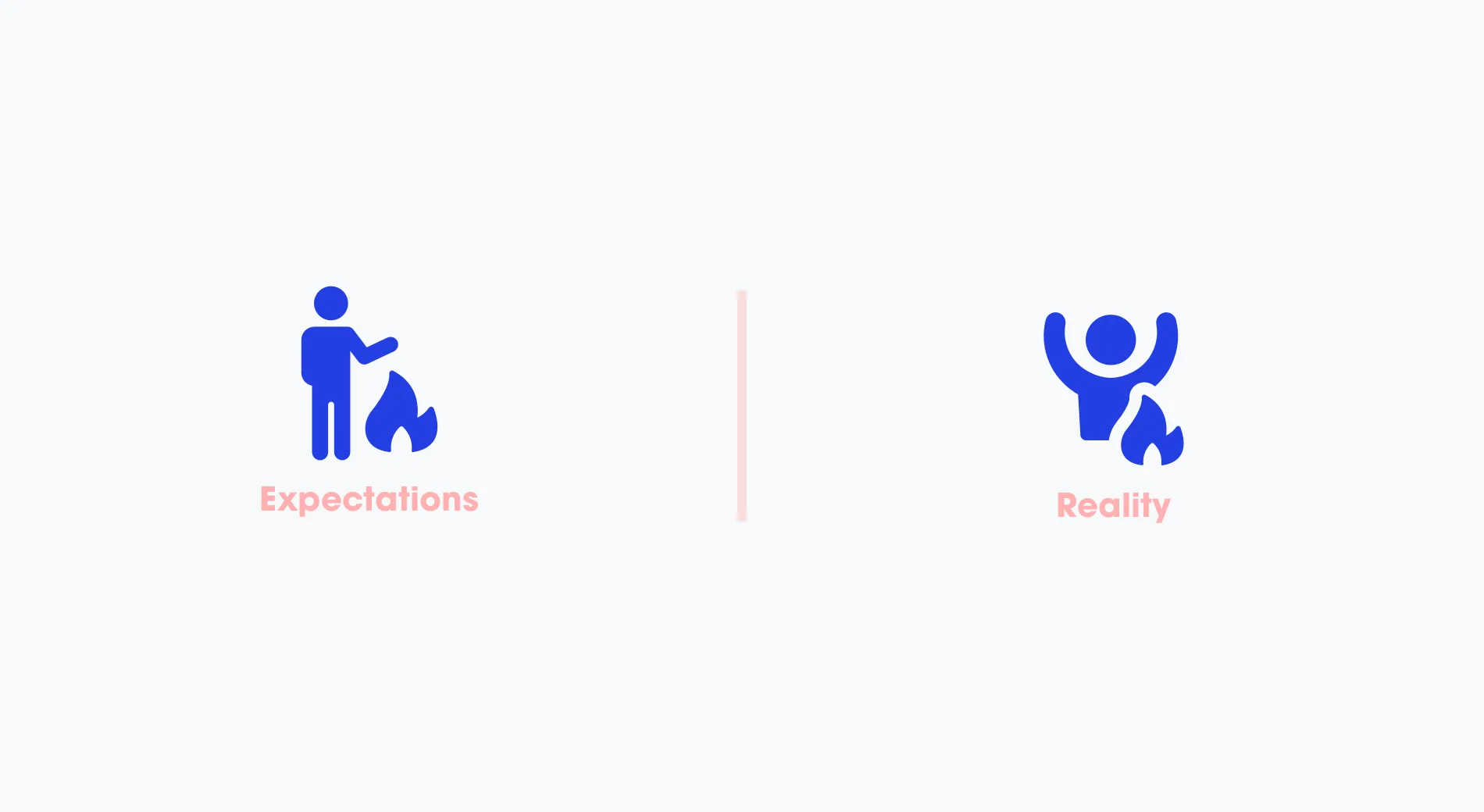
Product Design: Expectations vs Reality, Part 1
Mistakes we make on a daily basis — Part 1
-
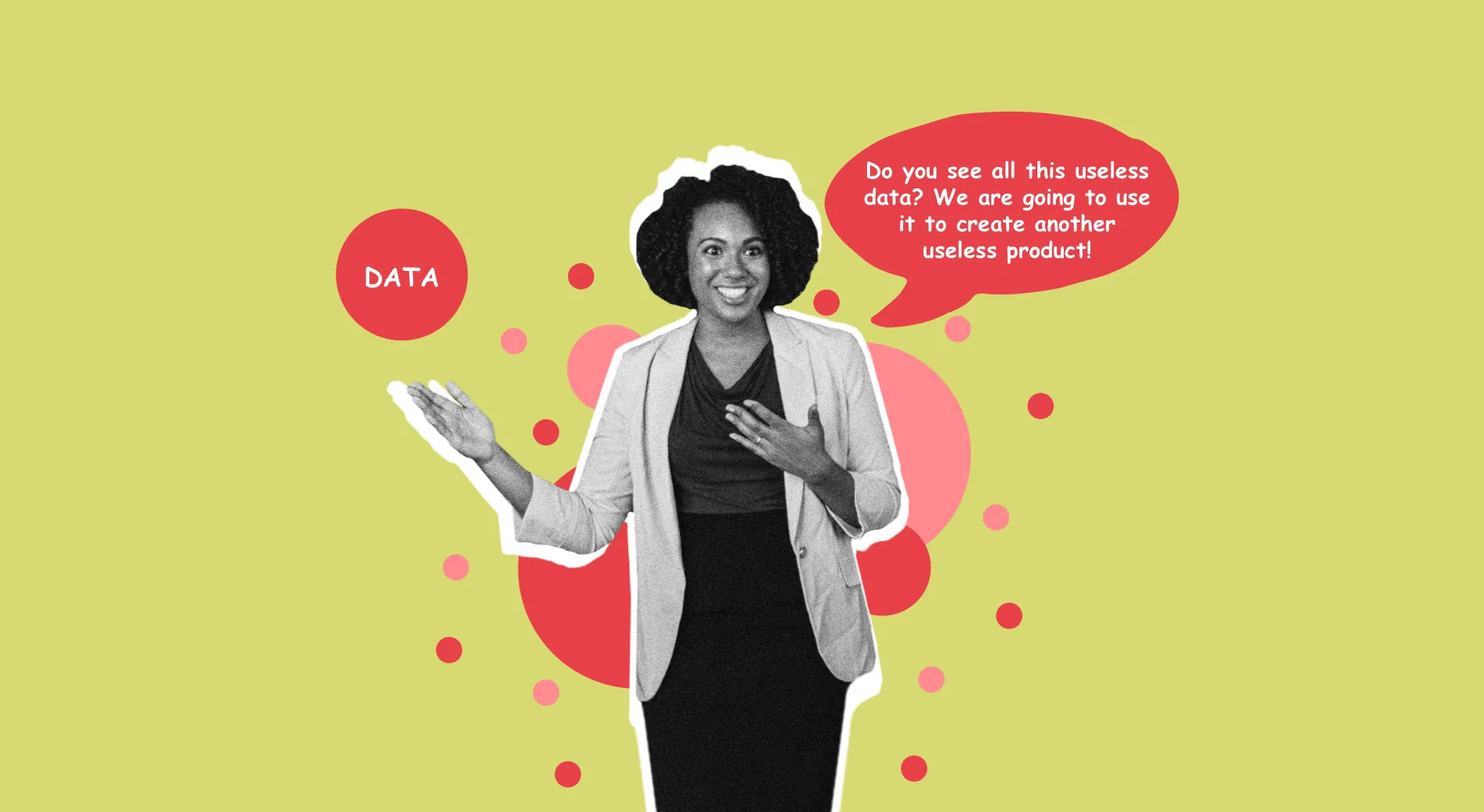
Stop Asking Users What They Want
Observe, listen, and have courage to take a leap
-
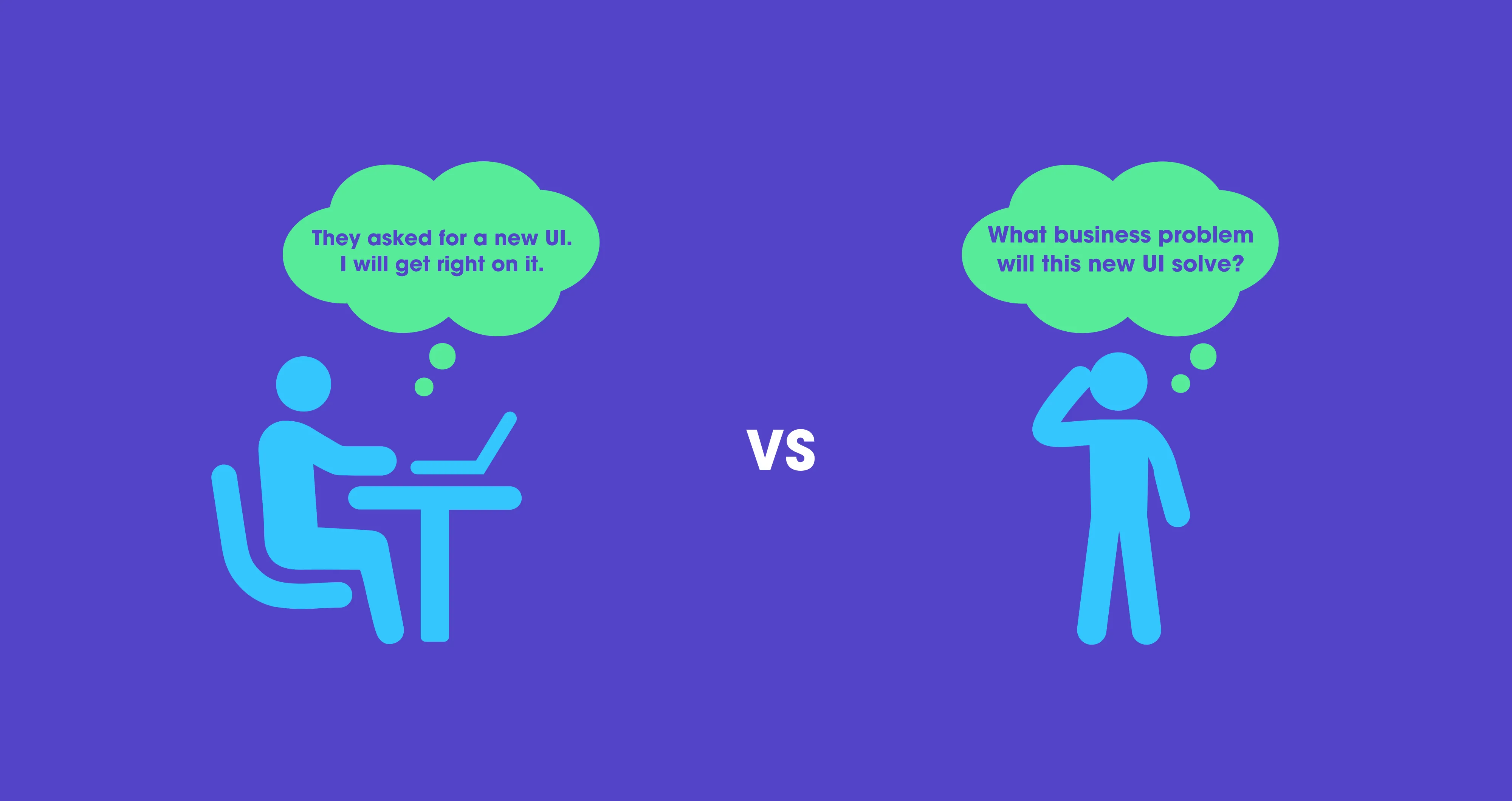
Top Questions To Ask Before Designing Anything
And what other things to take into account
-
What’s The Thinking Model of Your Users?
Why it is more important than the UI itself
-
5 Things To Do Differently About Your Product’s UX
What else can we do better?
-
7 Basic Design Principles We Forget About
Some of them will always apply!
-
Copywriting is Interface Design
The importance of copy in design of digital products
-
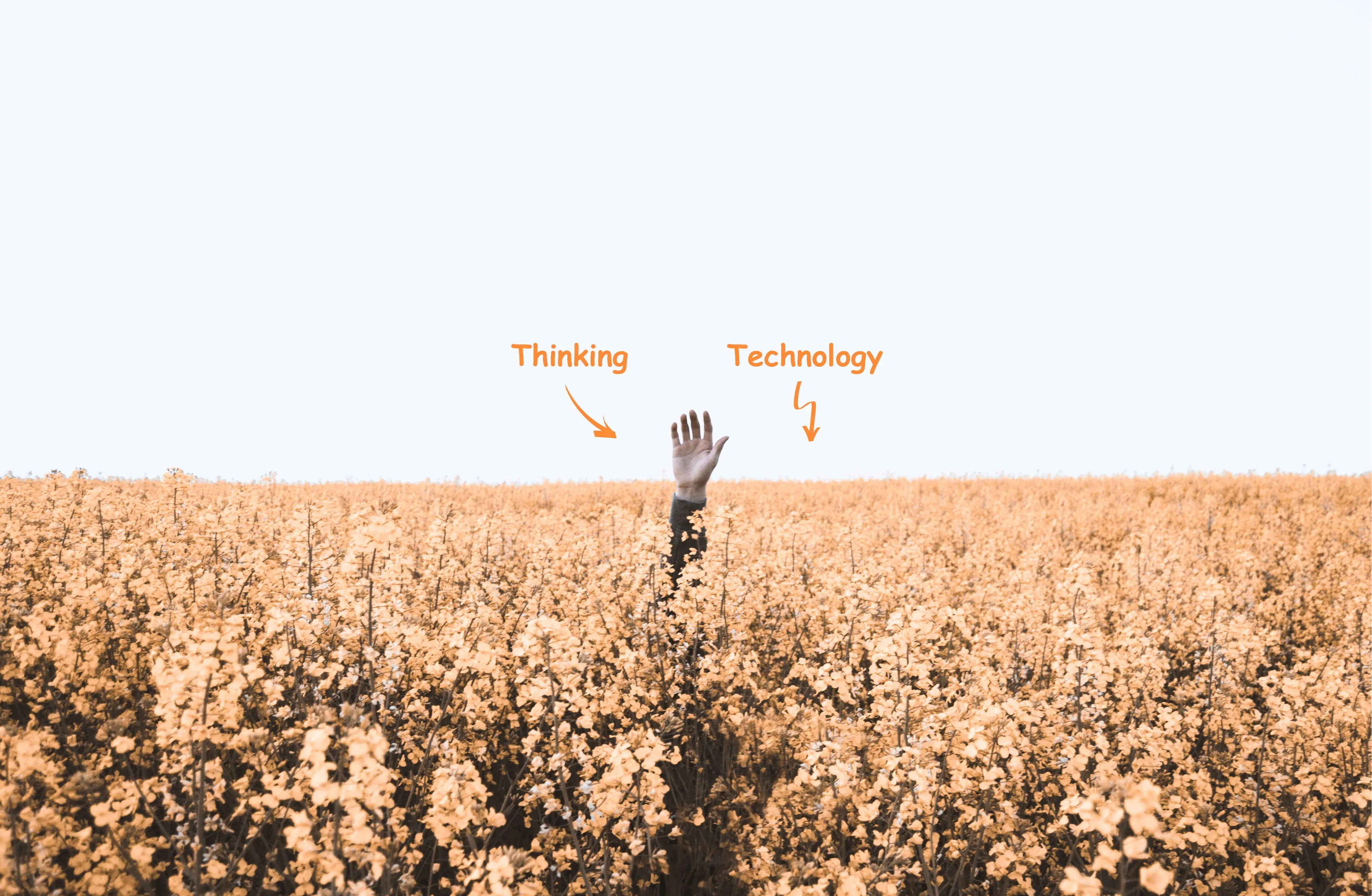
Going Offline to Design Better Solutions
Disconnecting will make you a better designer and thinker
-
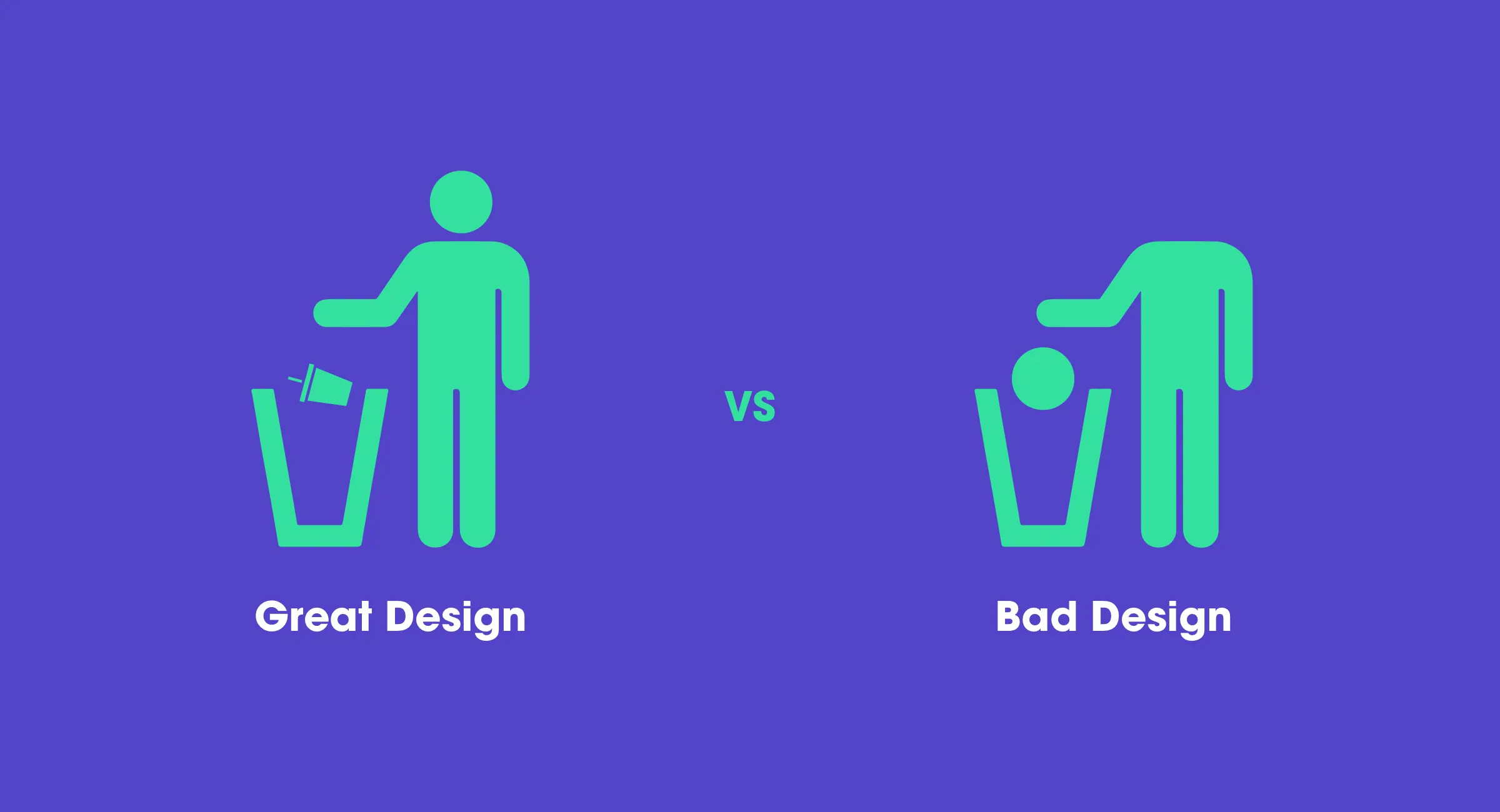
10 Small Design Mistakes We Still Make
Don’t Make Me Think by Steve Krug
-
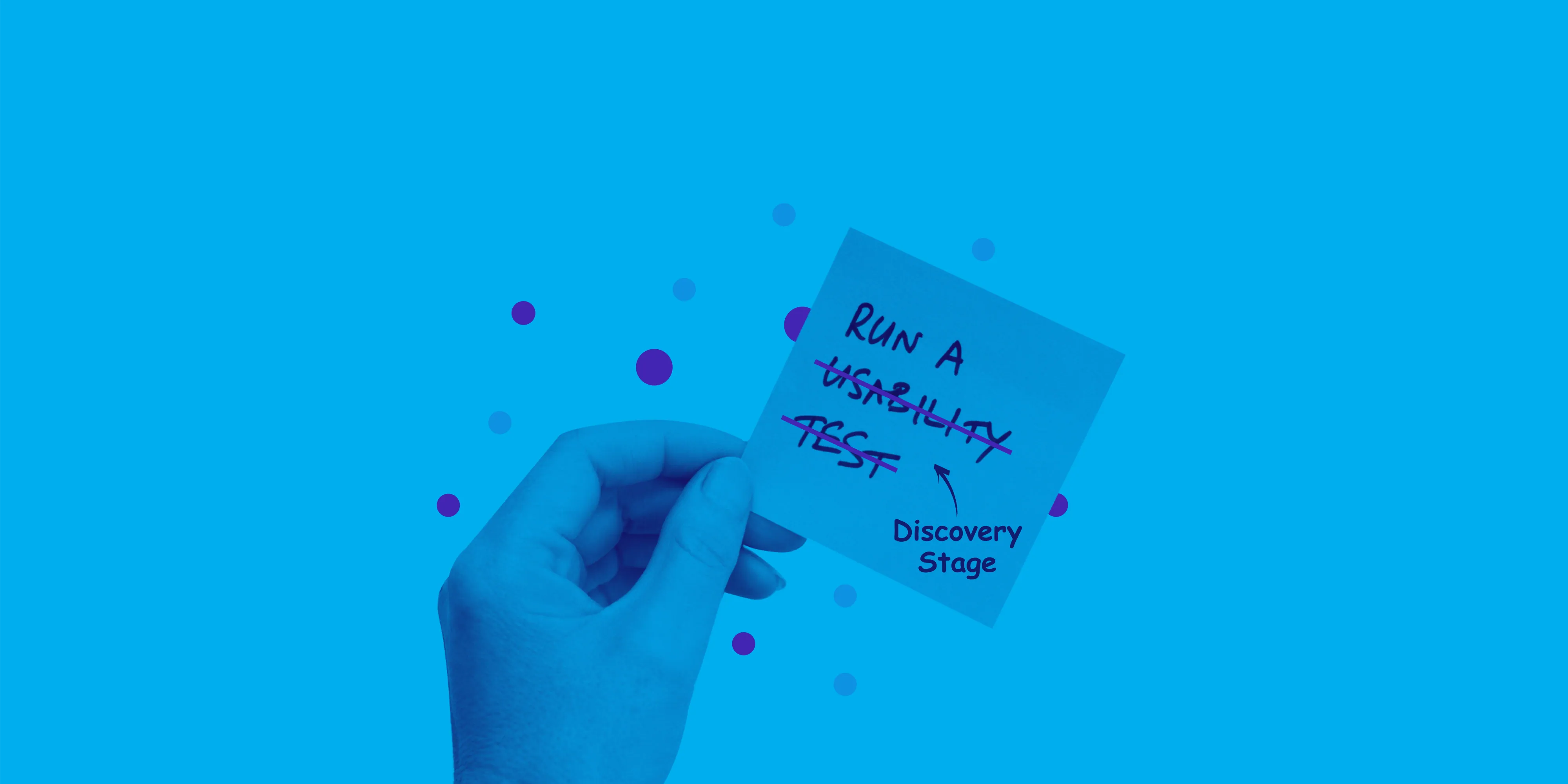
Product Discovery — What You Must Know
What to take into account and how not to screw up the details.
-
The Problem With Product Roadmaps
And how to make them better

-
How Not to Design a Product Like Everyone Else’s
Why all the products on the market look the same?
-
7 Stages of User’s Action in Design
Or why do we need to know about the human mind when designing products?

-
22 Things I Learned From Designing for Startups
This is the second part from “What I learned from working with startups” and make sure to check first part for the Business lessons.
-
Stress moment design
Why great products hold up when everything goes wrong at once